


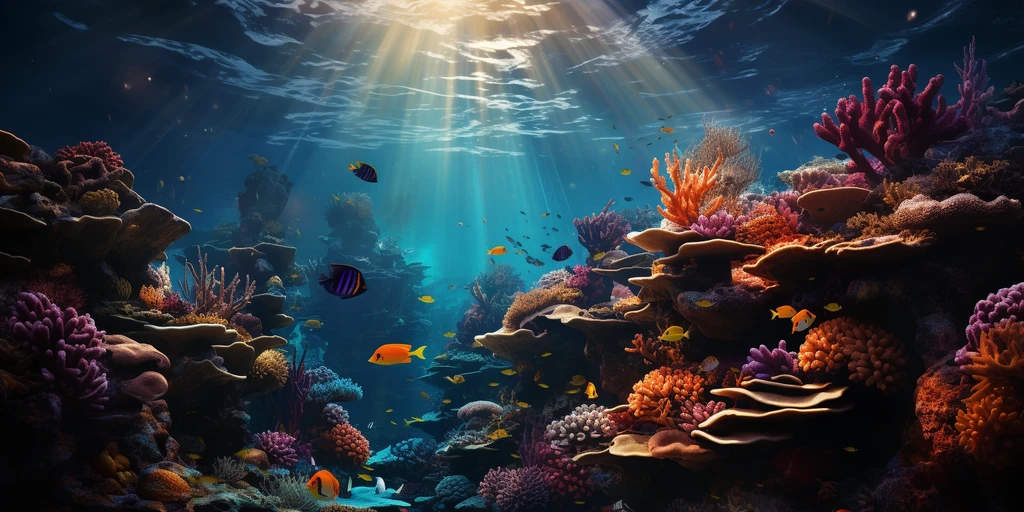
Marine Research & Conservation: Exploring Ocean Ecosystems
Studying marine biology, coastal ecology, climate change impacts, and coastal management through oceanographic research and marine reserves
National Oceanographic Research Institutes and Marine Reserves like those in Kunduchi and Zanzibar serve as living laboratories for understanding marine ecosystems. These institutions bridge scientific research with conservation practice, providing crucial insights into marine biodiversity, ecosystem functioning, and human impacts on coastal environments. This comprehensive exploration examines how these centers advance our understanding of marine science while developing strategies to protect vulnerable ocean ecosystems.
Marine Biology: Exploring Ocean Life
Marine biology represents the scientific study of organisms in the ocean and other saltwater environments. Research institutes conduct systematic investigations into the diversity, behavior, physiology, and ecology of marine life forms, from microscopic plankton to massive whales.
🔬 Biodiversity Documentation
Scientists catalog species diversity through systematic surveys, DNA barcoding, and ecological monitoring. This work has led to the discovery of new species and better understanding of species distributions and population dynamics in marine reserves.
🧬 Physiological Adaptations
Research focuses on how marine organisms adapt to unique ocean conditions, including pressure tolerance, salt regulation, thermal adaptation, and specialized sensory systems that function in aquatic environments.
🔄 Life History Studies
Understanding reproduction, growth, migration patterns, and survival strategies of key species helps predict population changes and informs conservation management decisions.
Example: Coral Reef Research in Zanzibar
The Institute of Marine Sciences in Zanzibar conducts extensive research on coral reef ecosystems, documenting over 200 coral species and 400 reef fish species. Scientists monitor coral bleaching events, study reef resilience to warming waters, and investigate the symbiotic relationships between corals and zooxanthellae algae. This research has identified thermally resistant coral strains that could help reefs survive climate change impacts.
Coastal Ecology: Understanding Ecosystem Interactions
Coastal ecology examines the complex interactions between physical processes, biological communities, and human activities in the dynamic interface between land and sea. Marine reserves provide protected areas where these interactions can be studied with minimal human disturbance.
Key Coastal Ecosystems
Coral Reefs
Among the most biodiverse marine ecosystems, providing habitat, coastal protection, and supporting fisheries. Research focuses on reef health, biodiversity, and resilience to stressors.
Mangrove Forests
Coastal wetlands that serve as nursery grounds for fish, buffer against storms, and sequester significant amounts of carbon. Studies examine restoration techniques and ecosystem services.
Seagrass Meadows
Underwater flowering plants that stabilize sediments, improve water quality, and provide food for marine herbivores like dugongs and sea turtles.
Estuaries and Lagoons
Transition zones between rivers and oceans with unique salinity gradients that support specialized communities and important fisheries.
Ecological Processes and Interactions
🍃 Nutrient Cycling
Research tracks how nutrients move through marine food webs, from phytoplankton uptake to predator excretion, and how human activities alter these cycles.
🦀 Species Interactions
Studies examine predator-prey relationships, competition, mutualism, and other ecological interactions that structure marine communities.
🏞️ Habitat Connectivity
Research investigates how different coastal habitats are connected through species movements and nutrient transfers, informing marine spatial planning.
Example: Mangrove-Coral Reef Connectivity
Research at Kunduchi Marine Reserve has demonstrated the ecological connections between mangrove forests and coral reefs. Mangroves serve as nursery habitats for juvenile reef fish, with studies showing that reefs located near healthy mangroves have higher fish biomass and diversity. This research has informed integrated management approaches that protect both ecosystems.
Climate Change Impacts on Marine Ecosystems
Oceanographic research institutes play a critical role in documenting and understanding how climate change affects marine environments. Their long-term monitoring programs provide essential data on changing ocean conditions.
Key Climate Change Impacts
| Impact | Mechanism | Ecological Consequences |
|---|---|---|
| Ocean Warming | Increased atmospheric temperatures heat surface waters | Coral bleaching, species range shifts, altered reproduction timing |
| Ocean Acidification | CO2 absorption lowers seawater pH | Reduced calcification in corals and shellfish, disrupted sensory systems |
| Sea Level Rise | Thermal expansion and ice melt increase ocean volume | Coastal habitat loss, saltwater intrusion, changed sediment dynamics |
| Altered Currents | Changing wind patterns and water density affect circulation | Disrupted nutrient upwelling, changed larval dispersal, altered productivity |
| Extreme Weather | Warmer oceans fuel more intense storms | Physical damage to habitats, increased runoff and pollution |
Research and Monitoring Programs
Oceanographic institutes maintain long-term monitoring programs that track changes in water temperature, acidity, sea level, and species distributions. These datasets are crucial for detecting climate change signals and separating them from natural variability. Advanced technologies including remote sensing, autonomous underwater vehicles, and sensor networks provide comprehensive understanding of climate impacts across spatial and temporal scales.
Example: Coral Bleaching Early Warning System
The Tanzania Fisheries Research Institute has developed a coral bleaching early warning system that combines satellite monitoring of sea surface temperatures with in-situ measurements. When thermal stress reaches critical levels, managers can implement temporary fishing restrictions and tourist limitations to reduce additional stressors on vulnerable reefs. This proactive approach has helped some reefs recover more quickly from bleaching events.
Coastal Management and Conservation Strategies
Research from oceanographic institutes directly informs coastal management decisions, helping balance human needs with ecosystem protection through science-based approaches.
Marine Protected Areas (MPAs)
Marine reserves represent a key conservation tool, with research demonstrating their effectiveness for:
- Biodiversity conservation - Protecting habitats and species from extractive activities
- Fisheries enhancement - Serving as spillover areas that replenish adjacent fishing grounds
- Climate resilience - Providing refuges where ecosystems can recover from stressors
- Scientific reference sites - Offering baselines against which impacted areas can be compared
Integrated Coastal Zone Management
🎣 Sustainable Fisheries
Research informs fishing quotas, gear restrictions, and seasonal closures based on stock assessments and ecosystem considerations.
🏖️ Tourism Management
Studies on carrying capacities and visitor impacts guide sustainable tourism practices that minimize ecological damage.
🏭 Pollution Control
Research identifies pollution sources and pathways, informing regulations on wastewater discharge, plastic waste, and agricultural runoff.
Example: Community-Based Management in Zanzibar
In Zanzibar, marine reserves incorporate community-based management approaches where local villages participate in monitoring and enforcement. Research has shown that these community-managed areas often have better compliance and ecological outcomes than top-down approaches. Scientists work with communities to collect data on fish catches, coral health, and mangrove coverage, building both scientific knowledge and local stewardship.
Conclusion: The Vital Role of Marine Research
National Oceanographic Research Institutes and Marine Reserves serve as essential centers for understanding and protecting marine ecosystems. Through their integrated approach combining research, education, and conservation, these institutions provide the scientific foundation needed to address pressing challenges facing our oceans.
Key insights from marine research include:
- Marine biodiversity is both incredibly rich and highly vulnerable to human impacts
- Coastal ecosystems provide essential services that support human wellbeing and economic activities
- Climate change is transforming marine environments at unprecedented rates
- Science-based management can help balance conservation and sustainable use
- Local community involvement is crucial for successful marine conservation
As pressures on marine ecosystems continue to grow, the work of these research institutions becomes increasingly important. Their long-term monitoring, experimental research, and engagement with stakeholders provide the knowledge needed to navigate toward a more sustainable relationship with our ocean planet.

No comments
Post a Comment