


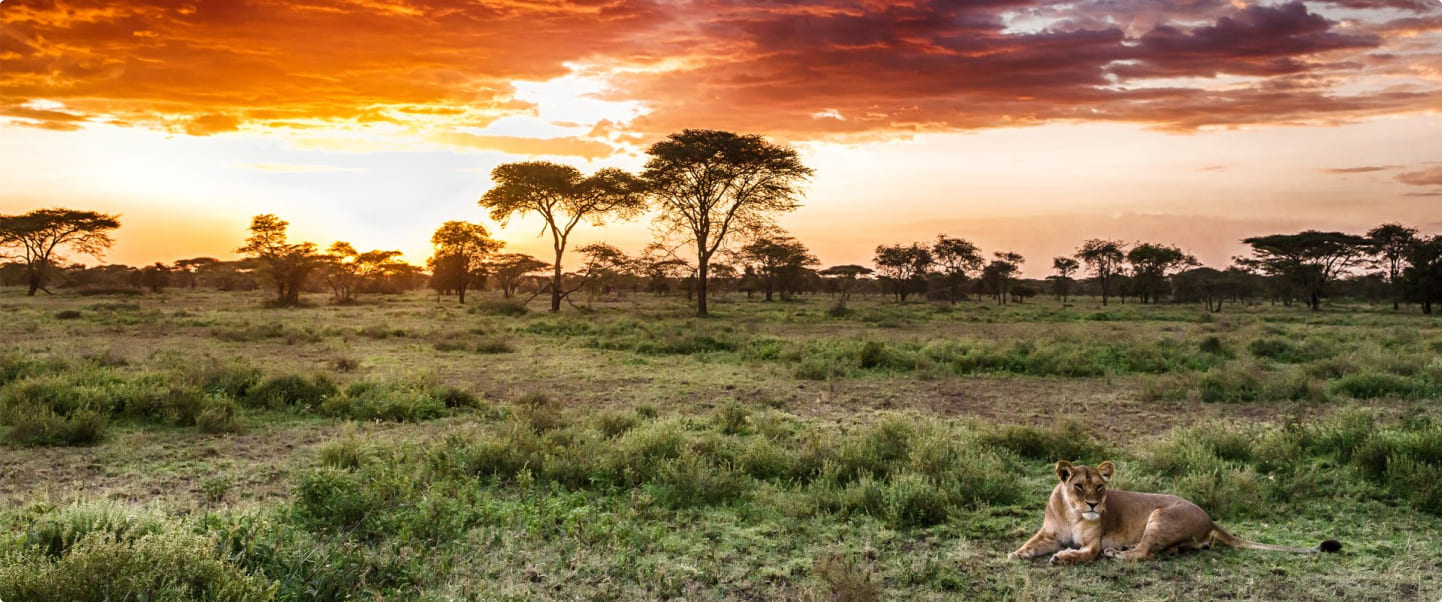
Tanzania National Parks: Biodiversity, Conservation & Ecosystems
Exploring biodiversity, conservation efforts, diverse ecosystems, geological formations, and human impacts on wildlife
Tanzania National Parks (TANAPA) protects some of Africa's most spectacular natural treasures, spanning diverse ecosystems from the savannas of Serengeti to the peaks of Kilimanjaro and the accessible wilderness of Mikumi. These protected areas serve as living laboratories for studying biodiversity, conservation science, geological processes, and the complex interactions between human activities and wildlife. This comprehensive exploration examines how TANAPA preserves Tanzania's natural heritage while providing invaluable opportunities for scientific research and environmental education.
Biodiversity: Africa's Living Treasure
Tanzania's national parks harbor exceptional biodiversity, representing some of the most complete ecological communities on Earth. These protected areas conserve not just iconic megafauna but entire ecosystems with intricate relationships between species.
🦒 Megafauna Diversity
Tanzania hosts Africa's largest populations of elephants, lions, and giraffes, along with significant numbers of rhinoceros, hippopotamus, and buffalo. The parks provide critical habitats for these keystone species that shape their ecosystems.
🐆 Predator-Prey Dynamics
Complex relationships between predators (lions, leopards, cheetahs, hyenas) and herbivores (wildebeest, zebra, gazelle) create some of the world's most dramatic wildlife spectacles and maintain ecological balance.
🦜 Avian and Invertebrate Richness
Beyond mammals, the parks protect over 1,100 bird species and countless invertebrates that play crucial roles in pollination, decomposition, and nutrient cycling within ecosystems.
Serengeti National Park: The Great Migration
The Serengeti hosts the world's largest terrestrial mammal migration, with over 1.5 million wildebeest, 500,000 zebra, and 200,000 gazelle following ancient rainfall patterns in a 1,200-mile circular journey. This spectacular movement represents one of Earth's greatest wildlife phenomena and drives the entire Serengeti ecosystem.
Example: Mikumi National Park's Accessibility
Mikumi National Park, often called "the little Serengeti," provides accessible wildlife viewing just a few hours from Dar es Salaam. The park's floodplain ecosystem supports impressive populations of elephants, giraffes, zebras, and over 400 bird species. Its proximity to urban centers makes it an ideal location for educational visits and studying how wildlife adapts to peripheral human settlements.
Conservation Science and Management
TANAPA implements sophisticated conservation strategies based on scientific research, community engagement, and adaptive management to protect Tanzania's natural heritage.
Conservation Approaches
Anti-Poaching Initiatives
Advanced patrol systems, canine units, and community intelligence networks combat wildlife crime, particularly targeting elephant ivory and rhino horn poaching.
Habitat Restoration
Active management of fire regimes, invasive species control, and reforestation programs maintain ecosystem health and connectivity between protected areas.
Wildlife Monitoring
Regular aerial surveys, camera traps, and satellite tracking provide data on population trends, movement patterns, and habitat use to inform management decisions.
Community Conservation
Wildlife Management Areas buffer national parks and provide economic benefits to local communities through tourism revenue sharing and sustainable resource use.
Success Stories and Challenges
| Conservation Success | Approach Used | Outcome |
|---|---|---|
| Elephant Protection | Enhanced anti-poaching, community engagement | Stabilized populations after 60% decline (2009-2015) |
| Rhino Sanctuary | Intensive protection zones, breeding programs | Black rhino numbers increasing in Serengeti and Ngorongoro |
| Wildlife Corridors | Land-use planning, community partnerships | Maintained connectivity between protected areas |
| Human-Wildlife Conflict | Predator-proof bomas, compensation schemes | Reduced retaliatory killings of lions and leopards |
Example: Serengeti Lion Project
Running since 1966, the Serengeti Lion Project represents one of the world's longest-running large carnivore studies. Researchers have monitored individual lions across generations, providing invaluable data on social behavior, population dynamics, disease ecology, and human impacts. This research directly informs conservation strategies for lions across Africa.
Ecosystem Diversity and Function
Tanzania's national parks protect a remarkable variety of ecosystems, each with unique characteristics, species compositions, and ecological processes.
Major Ecosystem Types
🌾 Savanna Grasslands
Dominating parks like Serengeti and Mikumi, these ecosystems support vast herds of grazing animals and their predators. Fire-adapted grasses and scattered trees create the classic African landscape.
🌳 Montane Forests
Found on Kilimanjaro and other highlands, these moisture-capturing forests harbor unique species and serve as critical water towers for surrounding regions.
🏞️ Wetland Systems
Swamps, marshes, and riverine habitats provide essential dry-season refuges for wildlife and support specialized aquatic and semi-aquatic species.
Ecological Processes
National parks preserve intact ecological processes including nutrient cycling, predator-prey dynamics, pollination systems, and seed dispersal mechanisms. These processes maintain ecosystem health and resilience to environmental changes. The annual migration in Serengeti, for example, redistributes nutrients across vast distances through animal dung and carcasses.
Kilimanjaro's Vegetation Zones
Mount Kilimanjaro showcases dramatic altitudinal zoning: cultivated foothills (800-1,800m), montane forest (1,800-2,800m), heath and moorland (2,800-4,000m), alpine desert (4,000-5,000m), and summit ice fields (above 5,000m). Each zone hosts specialized species adapted to specific temperature, moisture, and soil conditions.
Geological Foundations
The dramatic landscapes of Tanzania's national parks result from complex geological processes spanning millions of years, creating the physical foundations for diverse ecosystems.
Key Geological Features
Volcanic Mountains
Kilimanjaro, Meru, and Ngorongoro represent different stages of volcanic activity, with Kilimanjaro being a dormant stratovolcano and Ngorongoro a collapsed caldera.
Rift Valley System
The East African Rift shapes western Tanzania's geography, creating escarpments, lakes, and volcanic fields that influence climate and wildlife distributions.
Ancient Rock Formations
Precambrian basement rocks and more recent sedimentary deposits create varied soil types that support different vegetation communities.
Kopjes and Inselbergs
Granite outcrops like Serengeti's kopjes provide microhabitats for specialized plants and animals, serving as observation points for predators.
Mount Kilimanjaro: Africa's Roof
At 5,895 meters, Kilimanjaro is Africa's highest peak and the world's tallest free-standing mountain. Its formation began 1 million years ago with volcanic eruptions, creating three distinct cones: Shira, Mawenzi, and Kibo. The mountain's shrinking glaciers provide visible evidence of climate change, having lost over 80% of their ice cover since the early 20th century.
Human Impacts and Sustainable Solutions
While national parks protect wildlife from direct human pressure, they face numerous challenges from surrounding land uses, climate change, and growing human populations.
Major Human Impacts
| Impact Type | Specific Threats | Affected Parks |
|---|---|---|
| Habitat Fragmentation | Agriculture expansion, infrastructure development | Mikumi, Tarangire, Katavi |
| Climate Change | Glacial retreat, altered rainfall, temperature increases | Kilimanjaro, all parks |
| Human-Wildlife Conflict | Crop raiding, livestock predation, human casualties | Parks near settlements |
| Resource Competition | Water diversion, grazing pressure, firewood collection | Ruaha, Serengeti |
| Tourism Pressure | Vehicle impacts, waste management, behavioral changes | Serengeti, Ngorongoro |
Sustainable Solutions
🤝 Community-Based Conservation
Engaging local communities as partners in conservation through revenue sharing, employment, and sustainable livelihood programs that reduce pressure on park resources.
🌍 Climate Resilience
Developing corridors between protected areas, protecting water sources, and monitoring climate-sensitive species to help ecosystems adapt to changing conditions.
🎓 Environmental Education
School programs, visitor centers, and community outreach that build support for conservation and teach sustainable practices.
Example: Sustainable Tourism in Serengeti
Serengeti National Park implements careful tourism management including designated routes, limited vehicle numbers at sightings, and seasonal restrictions to minimize impacts on wildlife. Luxury eco-lodges use solar power, water recycling, and local materials while employing community members and sourcing supplies locally. These approaches demonstrate how tourism can support conservation while providing economic benefits.
Conclusion: Protecting Tanzania's Natural Heritage
Tanzania National Parks represent one of Africa's most important conservation achievements, protecting globally significant biodiversity and ecosystems. These protected areas serve as bastions for endangered species, living laboratories for scientific research, and sources of national pride and economic benefit.
Key lessons from TANAPA's approach include:
- Large, well-protected ecosystems can maintain natural processes and support viable wildlife populations
- Science-based management adapts to new challenges and emerging threats
- Community engagement is essential for long-term conservation success
- Geological diversity underpins biological diversity
- Balancing conservation with sustainable use requires careful planning and monitoring
As Tanzania faces growing pressures from development, climate change, and population growth, the national parks system will play an increasingly vital role in preserving the country's natural heritage while demonstrating how humans can coexist with wildlife in a rapidly changing world.

No comments
Post a Comment