


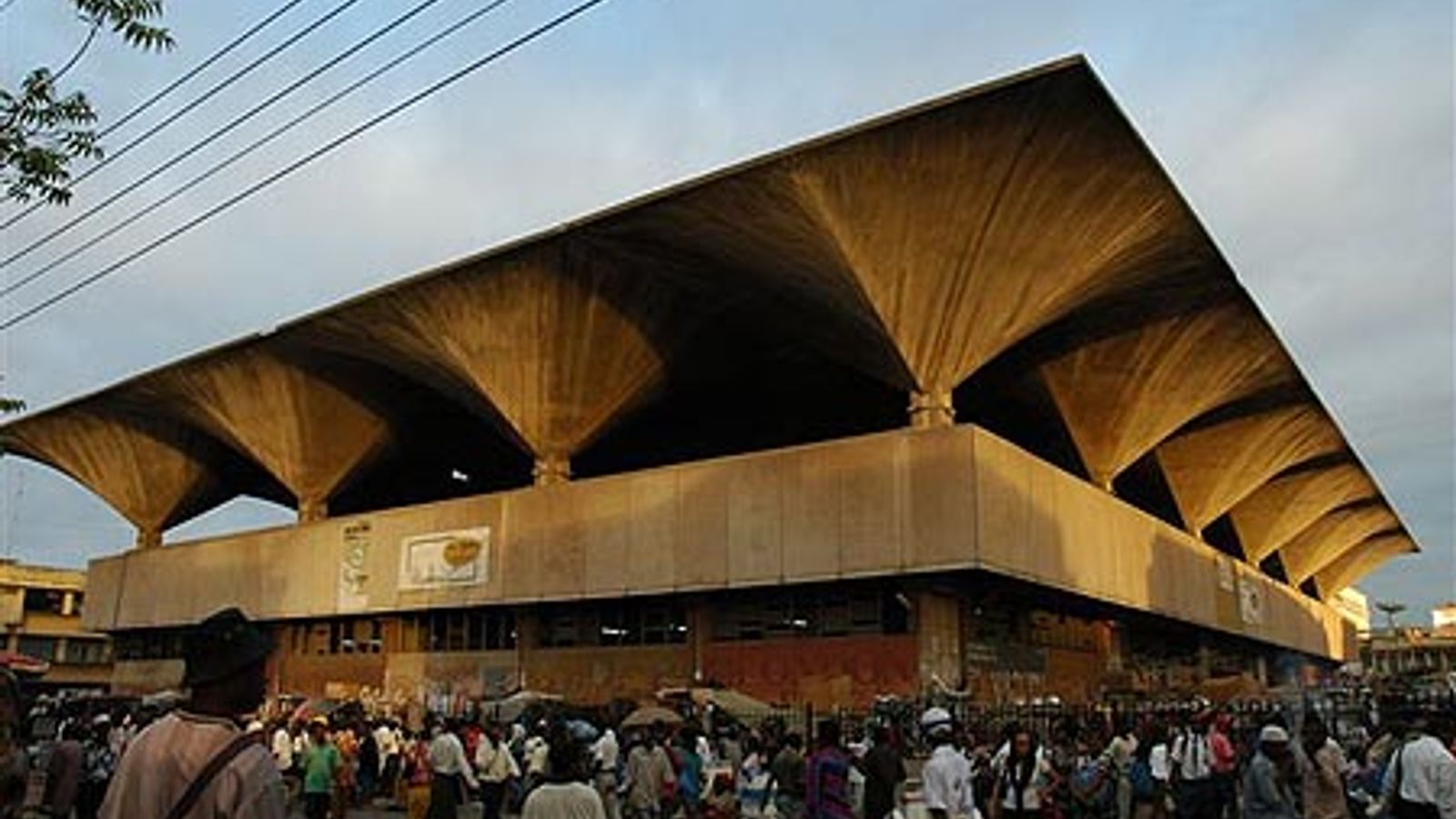
Kariakoo Market: The Economic Heart of Dar es Salaam
Studying supply and demand, local trade networks, distribution channels, and the informal economy
Kariakoo Market stands as one of East Africa's largest and most vibrant commercial hubs, serving as the economic pulse of Dar es Salaam and beyond. This sprawling marketplace embodies the dynamic interplay of formal and informal economic systems, where thousands of traders, entrepreneurs, and customers engage in daily commerce. Through its complex networks and bustling activity, Kariakoo provides a living laboratory for understanding fundamental economic principles, supply chain dynamics, and the resilience of local trade ecosystems in developing economies.
Supply and Demand in Action
Kariakoo Market operates as a perfect example of classical economic principles in practice, where the invisible hand of the market guides resource allocation through price signals and competition.
📊 Price Discovery
Prices in Kariakoo are determined through constant negotiation and market forces rather than fixed pricing. Vendors adjust prices based on seasonality, availability, competition, and customer demand, creating a highly efficient price discovery mechanism.
🔄 Market Equilibrium
The market naturally finds equilibrium points where supply meets demand. During harvest seasons, agricultural prices drop as supply increases, while scarcity during droughts causes prices to spike, demonstrating basic economic principles in real-time.
💹 Elasticity Dynamics
Different products exhibit varying price elasticities. Staple foods like maize and rice show relatively inelastic demand, while luxury items and non-essential goods demonstrate higher elasticity, affecting vendor pricing strategies.
Example: Seasonal Price Fluctuations for Tomatoes
During the dry season, tomato prices in Kariakoo can triple due to reduced supply from agricultural regions. Vendors who have established relationships with multiple suppliers or who can source from different regions maintain more stable pricing. This seasonal variation demonstrates how market participants develop strategies to mitigate supply chain disruptions while maximizing profit opportunities during scarcity periods.
Local Trade Networks and Social Capital
Beyond simple buyer-seller relationships, Kariakoo thrives on complex social and business networks that facilitate trust, credit, and information sharing.
Network Structures
Ethnic Trade Networks
Different communities specialize in specific products, with networks often following ethnic or regional lines. These networks provide trust mechanisms and reduce transaction costs through shared cultural understanding.
Credit Systems
Informal credit arrangements between trusted network members enable business operations without formal banking. These systems rely on social capital and reputation rather than collateral.
Information Channels
Market intelligence flows rapidly through social networks, alerting traders to price changes, supply opportunities, and market trends faster than formal information systems.
Specialization Zones
The market organizes itself into specialized sections - textiles, electronics, spices, fresh produce - creating clusters that benefit from knowledge spillovers and collective efficiency.
Social Capital as Economic Lubricant
In Kariakoo, relationships matter as much as capital. Trust built over years of interaction enables transactions that would be impossible in purely formal markets. A trader can receive goods on consignment based on reputation alone, and verbal agreements often carry more weight than written contracts. This social capital reduces the need for expensive legal enforcement and enables flexible business arrangements.
The Role of Middlemen and Brokers
Kariakoo's efficiency depends heavily on various intermediaries who perform crucial market functions:
- Aggregators: Collect small quantities from multiple producers to create marketable volumes
- Distributors: Handle logistics and break bulk for smaller retailers
- Market Information Brokers: Specialize in connecting buyers with sellers and sharing price intelligence
- Credit Facilitators: Arrange financing between parties within trusted networks
Distribution Channels and Supply Chain Dynamics
Kariakoo serves as a critical node in complex distribution networks that connect rural producers with urban consumers and international markets.
Supply Chain Layers
| Channel Level | Key Actors | Primary Functions |
|---|---|---|
| Primary Producers | Farmers, artisans, manufacturers | Goods production, initial quality control |
| Rural Assemblers | Local buyers, collection centers | Aggregation, basic processing, rural transport |
| Wholesale Distributors | Kariakoo wholesalers, importers | Bulk storage, financing, market information |
| Retailers | Shop owners, stall operators | Final sales, customer service, small-scale credit |
| Consumers & Exporters | Local buyers, international traders | Final consumption, regional distribution |
Typical Product Journey: Maize Distribution
Farm Level → Village Collection Point → Regional Assembler → Transport to Dar es Salaam → Kariakoo Wholesaler → Neighborhood Retailer → Consumer
Each stage adds value through aggregation, transportation, storage, processing, and market access while capturing a margin that reflects the risk and effort involved.
🚚 Logistics Innovation
Despite limited formal infrastructure, Kariakoo traders have developed highly efficient logistics systems using combinations of trucks, carts, motorcycles, and human porters to move goods through crowded spaces.
💼 Inventory Management
Traders use sophisticated mental inventory systems and just-in-time approaches to minimize storage costs while maintaining adequate stock, despite limited formal warehousing.
🌐 International Connections
Many Kariakoo traders maintain international supply chains, importing goods from China, Dubai, India, and neighboring countries while exporting Tanzanian products regionally.
The Informal Economy: Structure and Adaptation
Kariakoo represents a sophisticated informal economy that operates alongside and intertwined with formal economic structures, demonstrating remarkable resilience and adaptability.
Characteristics of the Informal Sector
Flexible Labor Markets
Employment arrangements are highly flexible, with workers moving between roles and employers based on opportunity. Many workers hold multiple roles simultaneously.
Adaptive Regulation
While operating outside formal regulatory frameworks, the market has developed its own governance systems and conflict resolution mechanisms that maintain order.
Financial Innovation
Informal financial systems including rotating savings schemes (upatu), trade credit, and mobile money facilitate commerce without traditional banking infrastructure.
Knowledge Economy
Success depends on accumulated tacit knowledge about market dynamics, customer preferences, and supply opportunities rather than formal education credentials.
Formal-Informal Linkages
Rather than existing as separate economies, formal and informal sectors in Kariakoo are deeply interconnected. Formal businesses source from informal suppliers, banks provide services to informal traders, and government regulations are negotiated rather than strictly enforced. This symbiotic relationship creates a hybrid economy that combines the flexibility of informality with the stability of formal institutions.
Example: Mobile Money Revolution
The adoption of mobile money platforms like M-Pesa and Tigo Pesa has transformed Kariakoo's informal financial systems. Traders now conduct transactions, extend credit, and manage cash flow through mobile platforms, reducing theft risks and increasing transaction speed. This technological adaptation demonstrates how informal economies can leapfrog traditional financial infrastructure while maintaining their essential character.
Economic Resilience and Adaptive Strategies
Kariakoo Market has demonstrated remarkable resilience through economic shocks, political changes, and global disruptions, adapting through various survival strategies.
Coping Mechanisms
| Challenge | Market Response | Economic Impact |
|---|---|---|
| Supply Chain Disruptions | Diversify suppliers, develop alternative routes | Maintains market functionality despite external shocks |
| Economic Downturns | Shift to essential goods, flexible pricing | Preserves livelihoods during difficult periods |
| Regulatory Changes | Negotiate enforcement, develop workarounds | Maintains operations while adapting to new rules |
| Competition from Malls | Emphasize uniqueness, personal service, credit | Retains customer loyalty through distinctive value |
| Technological Change | Adopt mobile money, social media marketing | Modernizes operations while preserving core strengths |
🔄 Product Diversification
Traders rapidly shift between product categories based on market opportunities, demonstrating entrepreneurial flexibility that formal businesses often lack.
🤝 Collective Action
Trader associations and informal groups provide mutual support, collective bargaining power, and shared risk management during difficult periods.
💡 Innovation Culture
Constant experimentation with new products, services, and business models ensures the market remains relevant despite changing consumer preferences and competitive pressures.
The "System D" Economy
Kariakoo exemplifies what economists call "System D" - the self-organizing, entrepreneurial economy that operates beyond state control. This system demonstrates that economic development can emerge organically from below, driven by human ingenuity and the fundamental desire for betterment, rather than being imposed through top-down planning.
Conclusion: Kariakoo as a Model of Adaptive Economics
Kariakoo Market stands as a testament to the power of grassroots economic organization and the resilience of traditional trade systems in the modern global economy. Its continued vitality despite numerous challenges offers valuable lessons for economists, policymakers, and business leaders alike.
Key insights from studying Kariakoo's economic ecosystem include:
- Informal economies can be highly efficient and sophisticated, operating through complex social and business networks
- Market equilibrium emerges naturally through countless individual interactions rather than central planning
- Social capital and trust mechanisms can effectively substitute for formal institutions in certain contexts
- Adaptive flexibility often provides greater resilience than rigid optimization in volatile environments
- Hybrid formal-informal systems may represent optimal arrangements in developing economy contexts
As Tanzania continues its economic development journey, understanding and leveraging the strengths of markets like Kariakoo - while addressing their limitations - will be crucial for creating inclusive growth that benefits all segments of society. The market's enduring success demonstrates that economic vitality often emerges from the bottom up, driven by the collective intelligence and entrepreneurial spirit of ordinary people pursuing better lives through commerce.

No comments
Post a Comment