DARASA LA SITA


Kwa mujibu ya Wizara ya Elimu Tanzania na Taasisi ya Elimu Tanzania (TIE), yafuatayo ndiyo yanayopimwa kwa wanafunzi wa darasa la sita (Standard VI) kulingana na vitabu vya kiada vya TIE na Mtalaa wa Taifa:


1. Uwezo wa Msingi wa Kusoma na Kuandika (Literacy)

a) Kiswahili

  • Ufahamu wa somo: Soma na kujibu maswali kutoka kwa matini.

  • Sarufi:

    • Aina za maneno (nomino, kitenzi, vivumishi, n.k.)

    • Uundaji wa sentensi sahihi

  • Uandishi:

    • Insha za maelezo/mazungumzo

    • Barua zisizo rasmi

b) English

  • Reading comprehension: Soma na kujibu maswali

  • Grammar:

    • Simple tenses (present, past, future)

    • Vocabulary (maneno ya msingi)

  • Writing:

    • Short paragraphs

    • Simple letters


2. Hesabu za Msingi (Numeracy)

Hisabati

  • Namba na uendeshaji:

    • Namba hadi mamilioni (1,000,000)

    • Shughuli za kimsingi (+, -, ×, ÷)

  • Sehemu na desimali:

    • Kuhesabu na kulinganisha

  • Kipimo:

    • Urefu, uzito, uwezo

    • Muda na saa

  • Jiometri:

    • Aina za maumbo (mraba, mstatili, duara)

    • Pembe za msingi


3. Sayansi na Teknolojia

a) Sayansi

  • Mazingira:

    • Miti na wanyama

    • Mzunguko wa maji

  • Nishati:

    • Aina za nishati (mwangaza, umeme)

  • Afya:

    • Lishe bora

    • Magonjwa ya kawaida

b) Teknolojia (ICT)

  • Msingi wa kompyuta:

    • Sehemu za kompyuta

    • Matumizi ya Word na Paint


4. Maarifa ya Jamii

a) Historia

  • Historia ya awali ya Tanzania

  • Utamaduni wa asili

b) Jiografia

  • Mipaka ya Tanzania

  • Rasilimali asilia

c) Uraia

  • Haki za watoto

  • Wajibu wa mwanafunzi


5. Stadi za Maisha

  • Usafi wa mwili na mazingira

  • Kujiepusha na madawa ya kulevya

  • Mawasiliano na ushirikiano


6. Sanaa na Michezo

  • Uchoraji na muziki

  • Michezo ya shule


Vitabu vya TIE Vinavyotumika

  1. KISWAHILI

  2. ENGLISH LANGUAGE

  3. HISABATI

  4. SAYANSI NA TEKNOLOGIA

  5. MAARIFA YA JAMII

  6. STADI ZA KAZI

  7. URAIA NA MAADILI


Jinsi ya Kupima

  • Mitihani ya maandishi (70%)

  • Kazi za darasani (20%)

  • Maonyesho ya vitendo (10%)


Hitimisho

Wizara ya Elimu kupitia TIE inalenga kupima uwezo wa msingi wa mwanafunzi katika masomo mbalimbali, hasa:

  • Kusoma na kuandika

  • Hesabu

  • Maarifa ya jamii na sayansi

  • Stadi za maisha

Kwa kutumia vitabu vya TIE na kufuata mtalaa huu, mwanafunzi anaweza kujiandaa vizuri kwa mtihani wa darasa la sita.
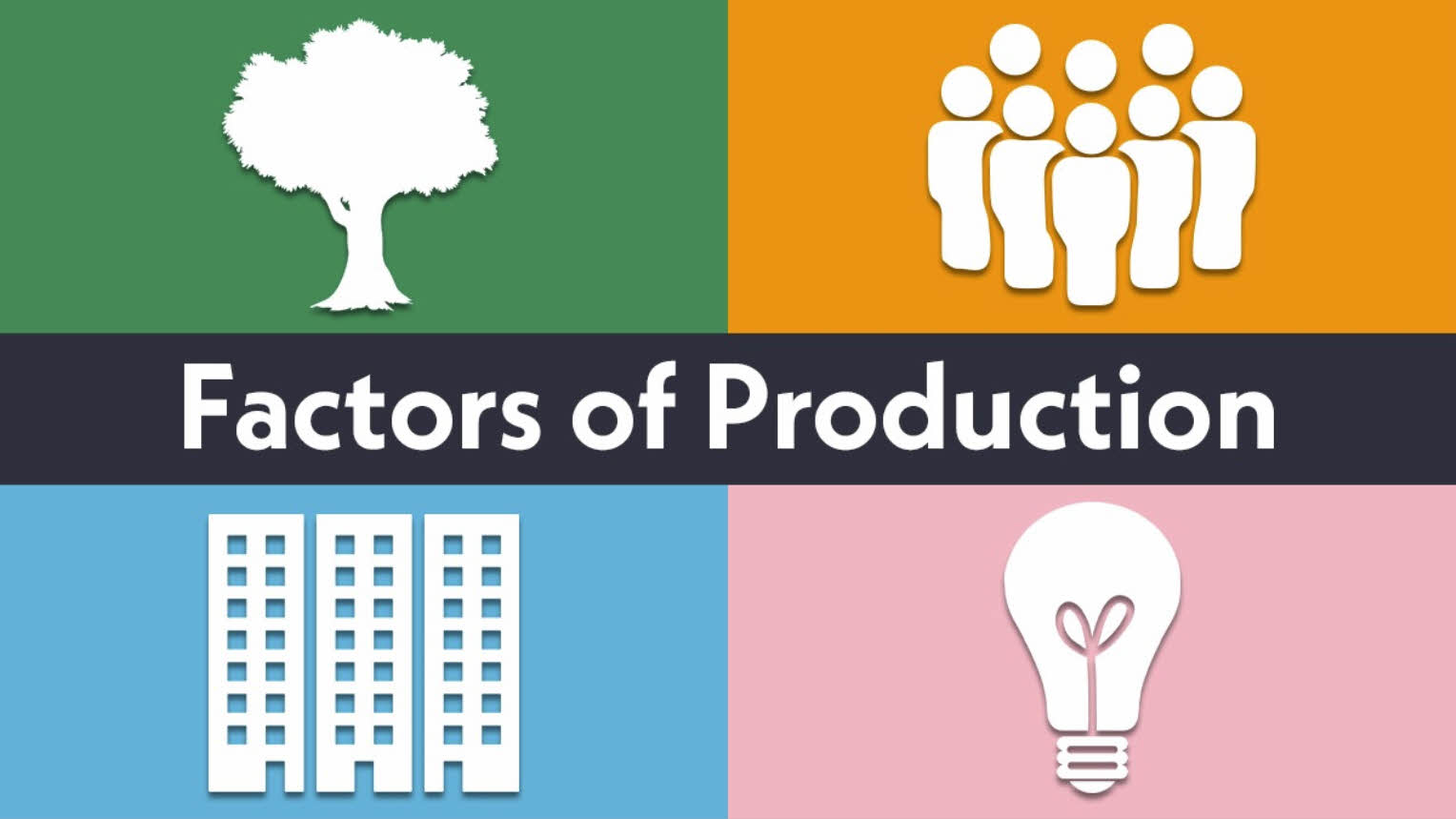
FACTORS OF PRODUCTION TOPIC TEST


FACTORS OF PRODUCTION

TOPIC TEST

SECTION A: Multiple Choice (10 Marks)

  1. Which of the following is NOT considered a factor of production?
    a) Land
    b) Labor
    c) Capital
    d) Money  

  2. Which factor of production includes all natural resources?
    a) Labor
    b) Land
    c) Capital
    d) Entrepreneurship  

  3. Which factor of production refers to human effort used in the production process?
    a) Capital
    b) Land
    c) Labor
    d) Entrepreneurship  

  4. Tools, machinery, and equipment are examples of which factor of production?
    a) Land
    b) Capital
    c) Labor
    d) Entrepreneurship  

  5. Which factor of production involves organizing and managing a business?
    a) Labor
    b) Land
    c) Capital
    d) Entrepreneurship  

  6. The concept of scarcity is related to:
    a) Unlimited resources
    b) Limited resources
    c) Increasing prices
    d) Decreasing choices  

  7. Which of the following is an example of land as a factor of production?
    a) A tractor
    b) A farmer's work
    c) A gold mine
    d) Money used to buy seeds  

  8. Which of the following is an example of capital as a factor of production?
    a) A river
    b) A factory building
    c) A shop assistant
    d) The owner of a business  

  9. The reward for labor is:
    a) Rent
    b) Wages
    c) Interest
    d) Profit

  10. Which of the following is NOT a characteristic of labour?
    a) It involves human effort
    b) It can be physical or mental
    c) It is a free resource
    d) It is a factor of production  

SECTION A: Matching Items (10 Marks)

Match the items in Column A with the correct descriptions in Column B.

Column A

Column B

1. Land

a) The payment for the use of capital

2. Labour

b) The risk-taking factor of production

3. Capital

c) All natural resources used in production

4. Entrepreneurship

d) Human effort used in the production process

5. Scarcity

e) Payment for land

6. Rent

f) Man-made resources used in production

7. Wages

g) The basic economic problem of limited resources

8. Interest

h) Payment for labour

9. Profit

i) The reward for entrepreneurship

10. Choice

j) The act of selecting among alternatives due to scarcity


SECTION B: True or False (10 Marks)

  1. Land includes only the surface of the earth.  

  2. Labour can be both physical and mental. 

  3. Capital refers only to money.

  4. Entrepreneurship involves risk-taking.  

  5. Scarcity means there are unlimited resources. 

  6. Price is not affected by scarcity.  

  7. Choice is necessary because we have limited resources. 

  8. A farmer using a tractor is an example of labor. 

  9. The reward for land is wages.

  10. All resources are equally scarce.

SECTION B: Short Answer (10 Marks)

  1. Define the term "factors of production."  

  2. List the four main factors of production.  

  3. Give two examples of "land" in agriculture.  

  4. Explain the difference between "labor" and "entrepreneurship."  

  5. Why is capital important in farming?  

  6. What is the basic problem of scarcity?  

  7. How does scarcity lead to choice?  

  8. What determines the price of a commodity?

  9. Why is entrepreneurship important in agriculture?

  10. What are the rewards for each factor of production?

CULTURE REVIEW QUESTIONS


  1. Give explanation on what will happen if Tanzanian society fails to promote and preserve its cultural values (using six points)

  2. Window inheritance cause many problems in our society, as a form four student explain briefly how can you educate members of your street on effects of such problem ( use six point )

  3. Nyambura was the best friend of mine who lived in the county side. She did not join Secondary School education let all because of the challenges she faced. When she was fifteen years old, her grandmother took her for circumcision. What are the possible negative effects faced by Nyambura? Give six (6) points

  4. Culture of preventive care and maintenance is the habit to be developed by all human being in the society .Suppose you are the Minister of Natural Resources and Tourism Affairs, analyse six (6) consequences of rejecting timely repair and maintenance of private and public properties

  5. Culture like other phenomena, has its characteristics which make it what it is and not something else. With six (6) points validate the statement.

  6. Briefly explain by giving six points on why the government of Tanzania is conducting campaigns against Female Genital Mutilation (FGM)

  7. Tanzania’s culture has positive values and some are termed as bad. Explain six harmful cultural values which should be abolished in our country.

  8. “Culture is complex as it is consisted of positive and negative aspects” As an expert in civics briefly explain six invaluable cultural aspects to support one side of the above statement

  9. Suppose you have been chosen to be an officer of matters relating to promoting and preserving cultural values of our country. Analyze six groups and institutions that you will cooperate with in order to accomplish your goals.

  10. Despite all the efforts made by government and other activists to fight against bad cultural practices, there are some cultural practices that affect women reproductive health. Use six points to signify them.

  11. Briefly, explain six challenges in promoting and preserving cultural values in Tanzania

  12. How does the national Kiswahili council of Tanzania promote and preserve the cultural values of Tanzania. (Give six points)

  13. Struggle for women liberation from negative cultural practices by the government and Non-government Organization it’s now regarded as Unanswered cries, due to the several factors. Discuss the statement above by providing five points.

  14. Asses the effects of women empowerment in socio-economic development in Tanzania. Provide five points

  15. The cultural of preventive care and maintenance has helped the Makonde carry on their cultural carvings and other associated cultural productions? How far can Makonde be affected if there would be no this culture of preventive care and maintenance? four points

  16. Your young sister is 14 years old is intending to get married after being paid dowry to her parents. Use five points to educate her that the marriage could bring negative impact to her life

  17. If you are given an opportunity to work with cultural revival team in Tanzania. What do you think may be the five hindrances to revive the best values of the society which are eroded day to day?

© all rights reserved
made with by templateszoo