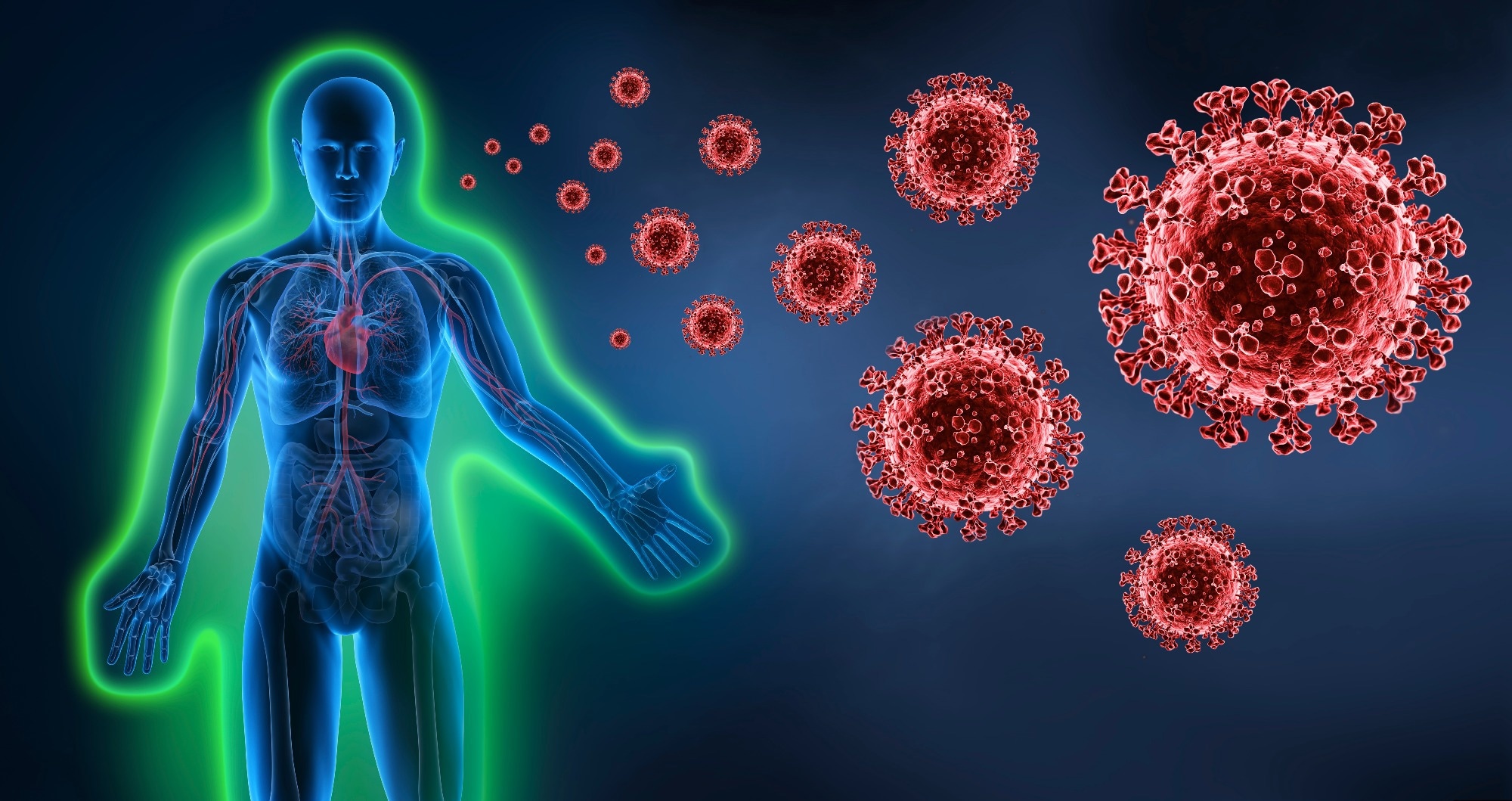
HEALTH AND IMMUNITY REVIEW QUESTIONS (with possible answers)


Question One

A group of form four students from Manyanya secondary school had a study visit to Mt. Meru hospital. They noted a patient with sunken eyes, severe dehydration, weak pulse, deep breathing, vomiting and convulsions. 

  1. What would be the possible disease that this patient was suffering from? 

  2. Suggest preventive measures for the disease in (a)(i) above 


Answers 

A. The possible disease that this patient was suffering from is likely cholera. The combination of sunken eyes, severe dehydration, weak pulse, deep breathing, vomiting, and convulsions are classic symptoms of severe cholera infection. The rapid loss of fluids and electrolytes due to profuse watery diarrhea and vomiting leads to dehydration, which in turn causes the other symptoms.

B. Here are preventive measures for cholera:

i. Practice good hygiene: * Wash hands frequently with soap and clean running water, especially after using the toilet and before preparing or eating food. * If soap and clean water are not available, use an alcohol-based hand sanitizer. * Clean food preparation surfaces and utensils thoroughly.

ii. Ensure safe water and food: * Drink and use only safe water. This includes boiled water, treated water (with chlorine or water purification tablets), or bottled water. * Cook food thoroughly, especially seafood. * Eat hot food immediately after it has been cooked. * Avoid raw fruits and vegetables unless they have been washed thoroughly with safe water and peeled. * Avoid purchasing food from street vendors where hygiene practices may be questionable.

iii. Proper sanitation: * Use toilets or latrines and dispose of feces safely. * Avoid open defecation. * Ensure proper disposal of sewage and wastewater.

iv. Community awareness and education: * Educate the community about the causes, symptoms, and prevention of cholera. * Promote hygiene practices through public health campaigns.

v. Vaccination (where applicable): * Oral cholera vaccines can provide some protection, especially in areas with outbreaks or high risk of transmission. However, vaccination should be used in conjunction with other preventive measures.


Question two

AIDS is one of the threatening diseases worldwide. Briefly explain the precautions that must be taken when caring for someone with AIDS

Answers: 

Caring for someone with AIDS requires a compassionate and informed approach, prioritizing both the patient's well-being and the caregiver's safety. While HIV is not easily transmitted through casual contact, certain precautions are essential to prevent the spread of opportunistic infections to the patient and to protect the caregiver from exposure to bodily fluids. Standard precautions, which should be applied when caring for any individual regardless of their HIV status, are paramount. These include practicing good hand hygiene by washing hands frequently with soap and water, especially before and after contact with the patient or their belongings. If soap and water are not readily available, an alcohol-based hand sanitizer should be used.

Furthermore, caregivers must take specific precautions when handling bodily fluids such as blood, vomit, or feces. Wearing disposable gloves is crucial in these situations, and any spills should be cleaned immediately and thoroughly with a disinfectant solution. Sharp objects, like needles or syringes (if the caregiver is involved in administering medication), must be handled with extreme care and disposed of safely in puncture-proof containers. While sharing household items like cutlery, dishes, and bedding does not typically pose a risk of HIV transmission, it's generally recommended to maintain good hygiene and avoid sharing personal items that could potentially be contaminated with bodily fluids. The focus should be on creating a supportive and hygienic environment that minimizes the risk of infection for both the patient and the caregiver, while treating the individual with dignity and respect.


Question three

Cholera outbreak seems to be threatening conditions in some areas of Tanzania nowadays example Dar es Salaam. Educate the society on that threatening problem based on the causes, symptoms, transmission, prevention and effects. (Give three points per each).


Answers: 

Cholera Outbreak: A Threatening Problem

Cholera is a serious and potentially deadly diarrheal illness caused by infection with Vibrio cholerae bacteria. Understanding its causes, symptoms, transmission, prevention, and effects is crucial for controlling outbreaks and protecting our communities.

Causes:

  • Contaminated Water: The primary cause of cholera is drinking water contaminated with the feces of a person infected with cholera bacteria.

  • Contaminated Food: Eating food that has been contaminated with cholera bacteria, often through contact with contaminated water or unsanitary handling.

  • Poor Sanitation: Lack of proper sanitation facilities and poor hygiene practices contribute significantly to the spread of the bacteria.

Symptoms:

  • Profuse Watery Diarrhea: This is the hallmark symptom, often described as "rice-water stool," which can lead to rapid dehydration.

  • Vomiting: Frequent vomiting can occur, further contributing to fluid and electrolyte loss.

  • Rapid Dehydration: Signs include sunken eyes, dry mouth, reduced skin elasticity, rapid heart rate, and low blood pressure.

Transmission:

  • Fecal-Oral Route: Cholera bacteria are primarily transmitted through the ingestion of fecal matter from infected individuals.

  • Contaminated Water Sources: Untreated or poorly treated water sources like rivers, wells, and even public water supplies can become contaminated.

  • Contaminated Food Handling: Food can be contaminated by infected individuals during preparation or through the use of contaminated water.

Prevention:

  • Safe Water Practices: Always use safe water for drinking, cooking, washing hands, and brushing teeth. This includes boiling water, treating it with chlorine, or using bottled water.

  • Good Hygiene: Wash hands thoroughly and frequently with soap and clean running water, especially after using the toilet and before handling food.

  • Safe Food Handling: Cook food thoroughly, especially seafood, and eat it while it's hot. Avoid raw fruits and vegetables unless you can wash and peel them with safe water.

Effects:

  1. Severe Dehydration and Shock: Rapid fluid loss can lead to severe dehydration, hypovolemic shock, and potentially death if not treated promptly.

  2. Electrolyte Imbalance: The loss of essential electrolytes like sodium and potassium can cause muscle cramps, weakness, and heart problems.

  3. Spread of the Disease: Uncontrolled outbreaks can overwhelm healthcare systems and lead to widespread illness and mortality within communities.


Questions four

Differentiate between a pandemic and endemic disease. 


Answers: 

A pandemic is an outbreak of a disease that spreads across a large geographic area, typically affecting multiple countries or continents and a significant proportion of the global population. Examples include the COVID-19 pandemic and the Spanish Flu pandemic.

An endemic disease is a disease that is constantly present within a specific geographic area or population at a relatively stable and predictable rate. Examples include malaria in many parts of Africa and chickenpox in school-aged children in many regions.


Question five

How does communicable and non-communicable disease differ? Give example in each.


Answers: 

Communicable diseases are illnesses that can be spread directly or indirectly from one person to another or from an animal to a person. They are caused by infectious agents such as bacteria, viruses, fungi, or parasites.

  • Example: Tuberculosis (caused by bacteria), measles (caused by a virus), and malaria (caused by a parasite).

Non-communicable diseases (NCDs) are illnesses that are not infectious and cannot be passed from one person to another. They are often the result of a combination of genetic, physiological, environmental, and behavioral factors.

  • Example: Heart disease, cancer, diabetes, and chronic respiratory diseases


 Question six

A child complains to her mother that she has a headache and pains in joints, she also feels uneasy, vomits, and has abdominal pains. Her mother realized that a child also has a fever she takes her to hospital. 

i. Which disease do you think the child is suffering from? 

………………………………………………………………………………………………………………………………………………………………………………………………………… 

ii. What is the cause and mode of transmission of the disease? 


……………………………………………………………………………………………………………………………………………………………………………………………………………………………………………………………………………………………………… 

iii. How can the disease be prevented? Give three (3) points. 

a) ………………………………………………………………………………………………… 

b) ………………………………………………………………………………………………… 

c) ……….………………………………………………………………………………………… 


Answers: 

i. Based on the symptoms of headache, joint pains, uneasiness (malaise), vomiting, abdominal pains, and fever, the child is likely suffering from Malaria.

ii. Cause: Malaria is caused by parasitic protozoa belonging to the genus Plasmodium. In humans, the most common and dangerous species include Plasmodium falciparum, Plasmodium vivax, Plasmodium ovale, Plasmodium malariae, and Plasmodium knowlesi.

Mode of Transmission: Malaria is transmitted to humans through the bite of infected female Anopheles mosquitoes. When an infected mosquito bites 1 a human, it injects Plasmodium sporozoites into the bloodstream. These sporozoites travel to the liver, where they mature and multiply. 2 Eventually, they enter the red blood cells, multiply further, and cause the symptoms of malaria.

iii. Here are three (3) points on how malaria can be prevented:

a) Use insecticide-treated bed nets (ITNs): Sleeping under an ITN, especially at night when Anopheles mosquitoes are most active, creates a barrier that prevents mosquito bites. The insecticide on the net kills or repels mosquitoes.

b) Indoor Residual Spraying (IRS): Applying long-lasting insecticide to the walls and ceilings of houses kills mosquitoes that land on these surfaces. This method can significantly reduce mosquito populations within homes.

c) Prevent mosquito breeding: Eliminate or reduce mosquito breeding sites around homes and communities. This includes: * Draining stagnant water from containers such as tires, flower pots, buckets, and clogged gutters. * Covering water storage containers. * Clearing bushes and vegetation around houses where mosquitoes may rest. * Introducing larvivorous fish (fish that eat mosquito larvae) into ponds and other water bodies where appropriate.


Question seven

Discuss seven (7) factors that affect the ability of the body to fight against infections 


Answers: 

The body's ability to effectively fight against infections is a complex process influenced by a multitude of interconnected factors. Here are seven key factors that significantly impact our immune system's capacity to defend against invading pathogens:

  1. Nutritional Status: A well-balanced diet rich in essential vitamins (like A, C, D, E, B6, and B12), minerals (such as zinc, selenium, and iron), and antioxidants is crucial for a robust immune response. Deficiencies in these nutrients can impair the production and function of immune cells, making the body more susceptible to infections and slowing down recovery. Conversely, a diet high in processed foods, saturated fats, and excessive sugar can promote inflammation, hindering immune efficiency.

  2. Sleep and Rest: Adequate and quality sleep is vital for the regeneration and repair processes within the body, including the immune system. During sleep, the body produces cytokines, proteins that help regulate inflammation and immune responses. Chronic sleep deprivation can lead to a decrease in immune cells and their effectiveness, making individuals more vulnerable to infections and reducing the body's ability to fight them off. Establishing a regular sleep routine is essential for maintaining a strong immune defense.

  3. Stress Levels: Prolonged or chronic stress has a significant negative impact on the immune system. When the body experiences chronic stress, it releases hormones like cortisol, which, at elevated levels, can suppress immune function by reducing the number and activity of lymphocytes (white blood cells). Managing stress through relaxation techniques, exercise, and mindfulness can help preserve immune competence.

  4. Age: Both very young children and older adults tend to have a less effective immune system compared to healthy young adults. In infants, the immune system is still developing, while in older adults, immunosenescence, the gradual decline of the immune system with age, makes them more susceptible to infections and can reduce the effectiveness of vaccines.

  5. Underlying Medical Conditions: Certain chronic diseases, such as diabetes, HIV/AIDS, autoimmune disorders, and cancer, can significantly weaken the immune system. These conditions often lead to immune dysregulation or directly impair the production and function of immune cells, increasing the risk and severity of infections. Managing these underlying conditions is crucial for supporting immune health.

  6. Hygiene Practices: Maintaining good personal hygiene, particularly regular and thorough handwashing, is a fundamental way to prevent the entry and spread of pathogens. Poor hygiene increases the body's exposure to bacteria, viruses, and other microbes, overwhelming the immune system's defenses. Simple practices like washing hands before eating and after using the restroom can significantly reduce the risk of infection.

  7. Physical Activity: Moderate regular exercise has been shown to benefit the immune system by improving circulation, reducing inflammation, and enhancing the activity of immune cells. However, excessive or very intense exercise without adequate recovery can sometimes temporarily suppress the immune system, highlighting the importance of balance. A sedentary lifestyle, on the other hand, can lead to a sluggish immune response.
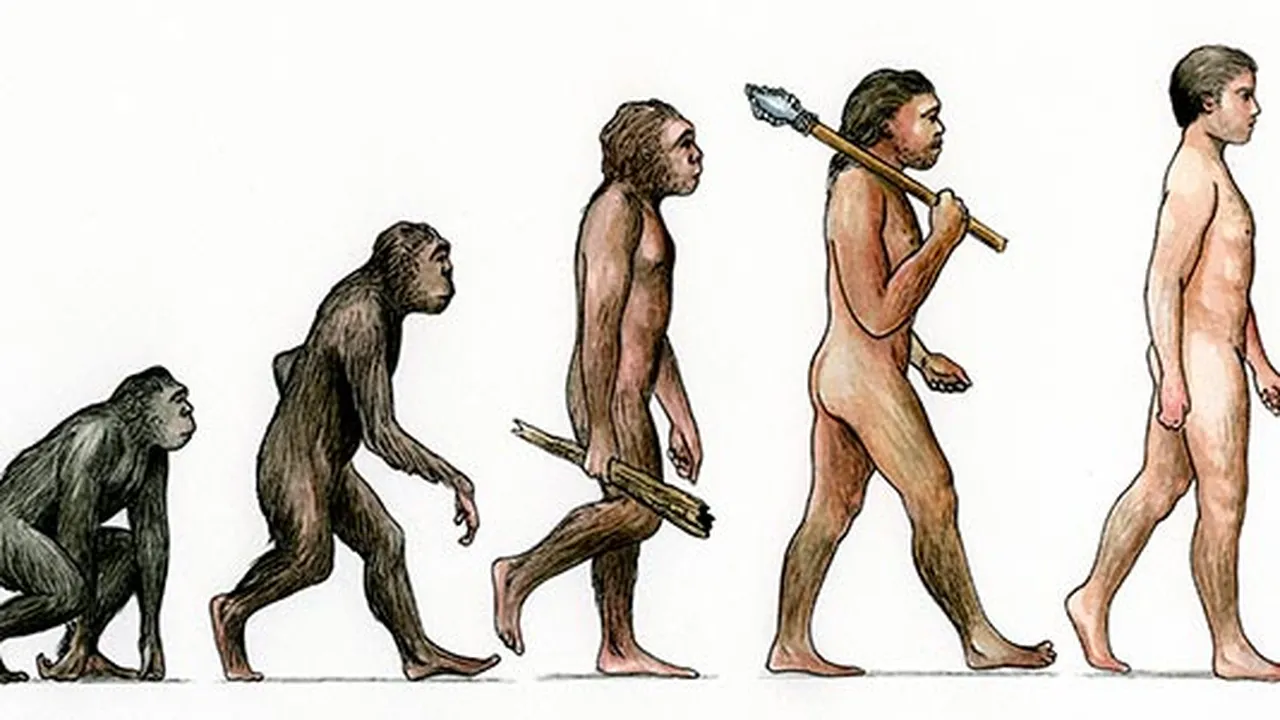


EVOLUTION: REVISION QUESTIONS


Question one

Evolution and its theories play a great role in biology studies, support the statements by any three points. 


Enswer:

Firstly, evolution provides a unifying framework for understanding the diversity of life. Without the concept of descent with modification and natural selection, the vast array of species we see, both living and extinct, would appear as a collection of unrelated entities. Evolutionary theory explains the hierarchical relationships between organisms, from broad kingdoms down to specific species, demonstrating how all life on Earth is interconnected through a shared ancestry. This framework allows biologists to make predictions about the characteristics of undiscovered organisms, understand the distribution of species (biogeography), and interpret the similarities and differences in anatomical, physiological, and genetic traits across the biological spectrum.

Secondly, evolutionary principles are crucial for understanding the adaptation of organisms to their environments. Natural selection, a core mechanism of evolution, explains how populations change over time as individuals with traits better suited to their surroundings are more likely to survive and reproduce, passing on those advantageous traits. This understanding is fundamental in fields like ecology, where scientists study the interactions between organisms and their environment. Evolutionary biology helps us comprehend why certain species have specific camouflage, feeding strategies, or reproductive behaviors, revealing the intricate interplay between organisms and the selective pressures they face. This knowledge is vital for conservation efforts, as it allows us to predict how species might respond to environmental changes.

Finally, evolutionary theory is indispensable for advancements in various applied biological fields. In medicine, understanding the evolution of pathogens (like bacteria and viruses) is critical for developing effective treatments and vaccines. The emergence of antibiotic resistance, for example, is a direct consequence of natural selection acting on bacterial populations. In agriculture, evolutionary principles are applied in selective breeding to enhance crop yields and livestock traits. Furthermore, evolutionary biology provides insights into genetic diseases and the development of genetic engineering techniques. By recognizing the evolutionary history and relationships of organisms, scientists can develop more effective strategies for combating diseases, improving food production, and addressing other real-world challenges.


Question Two

Briefly explain any observations and deductions made by Darwin in accomplishing his work. (Give two observations and deductions). 


Answer: 

During his voyage on the HMS Beagle, Charles Darwin made crucial observations that led to his theory of evolution by natural selection. Two significant examples include:

  1. Observation: On the Galapagos Islands, Darwin observed that finches, though similar to those on the South American mainland, exhibited remarkable variations in beak shape and size from one island to another. Deduction: He deduced that these differences were likely adaptations to the specific food sources available on each island. Finches with beaks suited to cracking large, hard seeds thrived where those seeds were abundant, while those with finer beaks were advantageous where insects or small seeds were the primary food. This suggested that the environment played a role in shaping the characteristics of a population over time.

  2. Observation: Darwin noted that within any given population of a species, there was a natural variation in traits among individuals. He also observed that organisms have the potential to produce far more offspring than the environment can support, leading to competition for limited resources. Deduction: From these observations, Darwin deduced that individuals with variations that made them better suited to their environment would be more likely to survive and reproduce, passing on those advantageous traits to their offspring. Over many generations, this process, which he termed "natural selection," would lead to the gradual change in the characteristics of a population, and potentially the formation of new species.


Question Three

State any two theories concerning with the origin of life.


Answer 

Here are two theories concerning the origin of life:

  1. Abiogenesis (or Biopoiesis): This is the theory that life arose from non-living matter through natural processes. It suggests that in the early Earth's environment, with its unique atmospheric conditions and energy sources, simple inorganic molecules gradually combined to form complex organic molecules. These organic molecules then self-assembled into the first self-replicating entities, eventually leading to the development of the first cells. The famous Miller-Urey experiment provided early support for this theory by demonstrating that amino acids, the building blocks of proteins, could be formed from inorganic gases under conditions thought to resemble early Earth.

  2. Panspermia: This theory proposes that life did not originate on Earth but instead exists throughout the universe and was transported to Earth from elsewhere in space. This could have occurred via various mechanisms, such as microorganisms traveling on meteoroids, asteroids, or comets. Some versions of panspermia even suggest the possibility of directed panspermia, where life was intentionally spread to Earth by an extraterrestrial civilization. While panspermia doesn't explain the initial origin of life, it shifts the location of that event to another celestial body, suggesting that life may be a more widespread phenomenon in the cosmos.


ZANZIBAR STUDENTS TOUR


A student tour of Zanzibar Stone Town offers a rich tapestry of history, culture, and architecture. Here are key areas to visit and what students will learn from each:

1. The Old Fort (Ngome Kongwe):

  • What to See: Imposing stone walls, remnants of former structures, an open-air amphitheater, and often local artisan stalls.
  • What Students Will Learn:
    • History: Understanding Stone Town's early defensive structures and the Omani Arab influence. They can learn about the fort's construction, its various uses over time (prison, barracks, etc.), and its significance in the context of Zanzibar's past conflicts and power dynamics.
    • Architecture: Observing the early building techniques and materials used in Stone Town's construction.
    • Culture: Experiencing the vibrant atmosphere and potentially interacting with local artisans, gaining insight into contemporary Zanzibari crafts.

2. The House of Wonders (Beit-al-Ajaib):

  • What to See: A grand, iconic building with balconies and historical artifacts (though currently undergoing renovation, the exterior is still impressive).
  • What Students Will Learn:
    • History: Learning about the reign of Sultan Barghash and the introduction of modern amenities to Zanzibar (electricity, piped water, the first elevator in East Africa). This showcases Zanzibar's early adoption of technology.
    • Architecture: Studying the unique blend of architectural styles – Omani, European, and Zanzibari – evident in its design.
    • Culture: Understanding the opulence and lifestyle of the former Sultans and their role in Zanzibar's development.

3. The Forodhani Gardens:

  • What to See: A bustling public square along the waterfront, especially lively in the evenings with food stalls.
  • What Students Will Learn:
    • Culture: Experiencing the vibrant street food culture of Zanzibar, sampling local delicacies, and observing social interactions among locals and tourists.
    • Economics: Understanding the informal economy and the role of small-scale vendors in the local community.
    • Social Studies: Observing how public spaces are used for leisure and social gatherings.
    • History: Learning about the historical significance of the waterfront as a port and trading hub.

4. The Old Slave Market Site (including the Anglican Cathedral):

  • What to See: The site where the slave market once stood, marked by a poignant memorial and the Anglican Cathedral built on the site after the abolition of the slave trade. Underground chambers where slaves were held can sometimes be visited.
  • What Students Will Learn:
    • History: Gaining a profound understanding of the horrific realities of the East African slave trade, its organization, and its devastating impact on the region. The memorial and the cathedral's history serve as powerful symbols of the struggle against slavery.
    • Ethics and Human Rights: Reflecting on the moral implications of slavery and the importance of human rights and dignity.
    • Social Justice: Learning about the abolitionist movement and the individuals who fought against slavery.
    • Religion: Understanding the role of the Anglican Church in the abolition movement and its historical presence in Zanzibar.

5. The Spice Farms (Outside Stone Town, but a common excursion):

  • What to See: Lush plantations growing a variety of spices like cloves, nutmeg, cinnamon, pepper, vanilla, and exotic fruits.
  • What Students Will Learn:
    • Botany and Agriculture: Identifying different spice plants, understanding their cultivation, and learning about their economic and medicinal uses.
    • History: Understanding the historical significance of the spice trade in Zanzibar's development and its global connections.
    • Economics: Learning about the agricultural industry in Zanzibar and the importance of spices as a cash crop.
    • Culture: Experiencing the sensory aspects of spices and their role in Zanzibari cuisine and traditions.

6. The Narrow Streets and Alleyways:

  • What to See: A labyrinthine network of narrow pedestrian streets with intricately carved wooden doors and balconies.
  • What Students Will Learn:
    • Architecture: Observing the unique architectural style of Stone Town, influenced by Arab, Indian, and African traditions. Studying the intricate details of the doors, balconies, and building materials.
    • Urban Planning: Understanding the historical development of the town and how its layout reflects its past as a trading center.
    • Culture: Experiencing the everyday life of the residents, observing local interactions, and appreciating the blend of cultures that permeates the town.

7. The Palace Museum (Beit el-Sahel):

  • What to See: The former residence of the Sultans, now a museum showcasing the history and lifestyle of the Zanzibari royalty.
  • What Students Will Learn:
    • History: Gaining further insights into the lives of the Sultans, their political influence, and the history of the ruling families.
    • Culture: Observing the artifacts, furniture, and clothing of the royal family, providing a glimpse into their customs and traditions.
    • Architecture: Studying the palace's design and its evolution over time.

8. The Freddie Mercury Museum:

  • What to See: A small museum dedicated to the birthplace and early life of the legendary Queen frontman, Freddie Mercury (Farrokh Bulsara), who was born in Stone Town.
  • What Students Will Learn:
    • History: Learning about a significant figure with Zanzibari roots who achieved global fame in music.
    • Culture: Understanding the diverse backgrounds and influences that have shaped Zanzibar's cultural landscape.
    • Arts and Music: Potentially inspiring students interested in music and the arts.


Educational Focus:

Throughout the tour, educators should encourage students to:

  • Observe carefully: Pay attention to architectural details, historical markers, and local interactions.
  • Ask questions: Engage with guides and locals to deepen their understanding.
  • Make connections: Relate what they see to their classroom learning in history, geography, culture, and social studies.
  • Reflect critically: Think about the historical significance and the lasting impact of the events and cultures that shaped Stone Town.

A well-planned educational tour of Zanzibar Stone Town can provide a multi-sensory and deeply engaging learning experience, bringing history and culture to life for students. Remember to hire knowledgeable local guides who can provide context and answer student inquiries effectively.

HALMASHAURI YA MANISPAA YA UBUNGO MTIHANI WA UTAMILIFU KATA


Umuhimu wa Mtihani wa Mock katika ngazi ya kata unaweza kuwa mkubwa sana katika kuboresha elimu na maandalizi ya wanafunzi kwa mitihani rasmi. Ingawa "Mtihani wa Mock katika ngazi ya kata" si istilahi inayojulikana sana kitaifa, tunaweza kujadili umuhimu wake kwa kuzingatia mantiki ya mitihani ya Mock kwa ujumla na faida zinazoweza kupatikana kwa kuifanya katika eneo dogo kama kata:

Ufanisi wa Usimamizi na Uendeshaji: Kuendesha mitihani ya Mock katika ngazi ya kata kunaweza kurahisisha usimamizi na uendeshaji wake. Inaweza kuwa rahisi kusimamia rasilimali, kusambaza vifaa, na kusahihisha mitihani kwa wakati ikilinganishwa na mitihani mikubwa inayohusisha wilaya nzima au mkoa.

Ushirikiano wa Shule za Kata: Mitihani hii inaweza kuleta ushirikiano kati ya shule zilizopo ndani ya kata moja. Walimu wanaweza kushirikiana katika kuandaa mitihani, kusahihisha, na kubadilishana uzoefu kuhusu mbinu bora za ufundishaji kulingana na matokeo.

Kupima Maendeleo kwa Usawa: Mtihani wa Mock wa kata unaweza kutoa picha ya pamoja ya maendeleo ya wanafunzi wote katika eneo hilo. Hii inaweza kusaidia kubaini kama kuna tofauti kubwa za kitaaluma kati ya shule za kata na kuchukua hatua za kuzipunguza.

Mrejesho wa Haraka na Husika: Matokeo ya mitihani ya Mock ya kata yanaweza kupatikana kwa haraka na kuwa husika zaidi kwa mazingira ya kata husika. Walimu wanaweza kutumia mrejesho huu kurekebisha mbinu zao za ufundishaji kwa kuzingatia mahitaji maalum ya wanafunzi wa eneo hilo.

Ushirikishwaji wa Jamii: Mitihani ya Mock katika ngazi ya kata inaweza kuwashirikisha wazazi, viongozi wa kata, na wanajamii kwa ujumla katika masuala ya elimu. Matokeo yanaweza kujadiliwa kwa pamoja na mikakati ya kuboresha elimu katika eneo hilo ikaandaliwa kwa ushirikiano.

Maandalizi Bora kwa Mitihani ya Kitaifa: Ingawa ni katika ngazi ndogo, mitihani hii bado inawapa wanafunzi fursa ya kuzoea mazingira ya mtihani, kujifunza kusimamia muda, na kubaini udhaifu wao kabla ya kukabiliana na mitihani mikubwa ya kitaifa.

Uchambuzi wa Kina wa Matokeo: Kwa kuwa idadi ya wanafunzi inaweza kuwa ndogo kuliko katika ngazi za juu, inaweza kuwa rahisi kufanya uchambuzi wa kina wa matokeo na kubaini sababu za mafanikio au changamoto katika masomo fulani.


HALMASHAURI YA MANISPAA YA UBUNGO MTIHANI WA UTAMILIFU KATA

FORM THREE


The government of Tanzania does not conduct a national standardized examination specifically for Form Three students. Instead, the assessment at this level is primarily the responsibility of individual schools. These schools conduct their own internal examinations to measure the students' understanding of the curriculum covered during that academic year. The purpose of these Form Three examinations is largely formative, aiming to identify areas where students are performing well and areas where they may need additional support before progressing to Form Four, which culminates in the significant national examination (CSEE).

While there isn't a national Form Three exam, the assessments conducted by schools at this stage are crucial for monitoring student progress and the effectiveness of teaching. These internal examinations often mirror the format and rigor of the national Form Four examinations to provide students with early exposure and preparation. The results help teachers tailor their instruction to meet the specific needs of their students and allow school administrators to evaluate the overall academic performance of the Form Three cohort, making necessary adjustments to teaching strategies and resource allocation in preparation for the crucial final year of Ordinary Level secondary education.


FORM THREE TIE BOOKS

  1. BASIC MATHEMATICS
  2. PHYSICS 
  3. CHEMISTRY
  4. BIOLOGY
  5. GEOGRAPHY
  6. HISTORY 
  7. ENGLISH LANGUAGE
  8. LITERATURE IN ENGLISH 
  9. KISWAHILI 
  10. CIVICS
  11. INFORMATION AND COMPUTE STUDIES (ICT)
  12. COMMERCE 
  13. BOOK KEEPING


DARASA LA TATU


Kwa wanafunzi wa darasa la tatu, Wizara ya Elimu kupitia TIE hupima uwezo wa msingi wa kielimu na maendeleo ya stadi za kimsingi kulingana na mada zilizoko kwenye vitabu vya kiada. Katika somo la Kiswahili, wanafunzi wanahitaji kuonyesha uwezo wa kusoma silabi na maneno rahisi, kufahamu hadithi fupi, na kutumia sarufi ya msingi kama vile aina za maneno na sentensi sahihi. Hisabati inalenga uwezo wa kufanya shughuli za kimsingi za namba hadi mia moja, kutumia mfumo wa mraba wa namba, na kuelewa dhana za kipimo kama vile urefu, uzito na uwezo kwa kiwango cha msingi. Sayansi inahusisha uelewa wa mazingira yanayowazunguka, uteuzi wa viumbe hai, na misingi ya afya ya msingi.

Katika somo la English, wanafunzi wanatakiwa kuwa na uwezo wa kutambua na kusoma herufi na maneno rahisi, kufuata maagizo ya msingi, na kuandika maneno kwa usahihi. Maarifa ya Jamii yanahusisha uelewa wa familia na jamii zao, aina za kazi za watu katika jamii, na utambuzi wa mazingira yao ya karibu. Stadi za Maisha zinapima uwezo wa wanafunzi kushirikiana na wenzake, kudumisha usafi wa mwili na mazingira, na kujiepusha na hatari za kawaida. Teknolojia ya Habari (ICT) inalenga utambuzi wa sehemu za msingi za kompyuta na matumizi ya vifaa vya teknolojia kwa kiwango cha kuanzia.

Mbinu za tathmini zinazotumika ni pamoja na mitihani ya maandishi, kazi za darasani, na uchunguzi wa vitendo ili kuhakikisha kuwa wanafunzi wameweza kufikia malengo ya kimsingi ya kielimu. Kupitia vitabu vya TIE kama vile Kiswahili kwa Darasa la 3, Mathematics for Primary 3, na Science and Technology 3, Wizara ya Elimu inahakikisha kuwa mwanafunzi wa darasa la tatu anaweza kukidhi viwango vya msingi vya elimu kabla ya kuendelea na darasa la juu zaidi.

VITABU VINAVYOTUMIKA:

  1. HISABATI
  2. KISWAHILI
  3. ENGLISH LANGUAGE 
  4. MAARIFA YA JAMII
  5. SAYANSI NA TEKNOLOJIA
  6. URAIA NA MAADILI

TOPIC TEST: THE PLANET EARTH

DARASA LA NNE


Kwa wanafunzi wa darasa la nne, Wizara ya Elimu kupitia TIE hupima uwezo wa msingi wa kielimu na stadi za maisha kulingana na mada zilizoko kwenye vitabu vya kiada. Katika somo la Kiswahili, wanafunzi wanahitaji kuonyesha uwezo wa kusoma, kufahamu na kujibu maswali kutoka kwa matini fupi, pamoja na kutumia sarufi sahihi katika sentensi. Hisabati inahusisha uwezo wa kufanya shughuli za kimsingi za namba hadi elfu, kutumia sehemu rahisi, na kuelewa dhana za kipimo kama vile urefu, uzito na uwezo. Sayansi inalenga uelewa wa mazingira, mahusiano kati ya viumbe hai, na misingi ya afya bora.

Katika somo la English, wanafunzi wanatakiwa kuwa na uwezo wa kusoma maneno na sentensi rahisi, kujibu maswali ya msingi, na kuandika maneno kwa usahihi. Maarifa ya Jamii yanahusisha uelewa wa historia ya awali ya jamii zao, mazingira ya asili na desturi za msingi. Stadi za Maisha zinapima uwezo wa wanafunzi kushirikiana, kudumisha usafi na kujiepusha na hatari za mazingira. Teknolojia ya Habari (ICT) inalenga ujuzi wa msingi wa kompyuta kama vile kutumia kibodi na kuchora kwa kutumia programu rahisi.

VITABU VINAVYOTUMIKA:

  1. HISABATI
  2. KISWAHILI
  3. ENGLISH LANGUAGE 
  4. MAARIFA YA JAMII
  5. URAIA NA MAADILI
  6. SAYANSI NA TEKNOLOJIA

© all rights reserved
made with by templateszoo