


Schools for Students with Disabilities: Fostering Empathy and Inclusion
Promoting empathy, understanding inclusivity, and learning about the challenges and rights of people living with disabilities
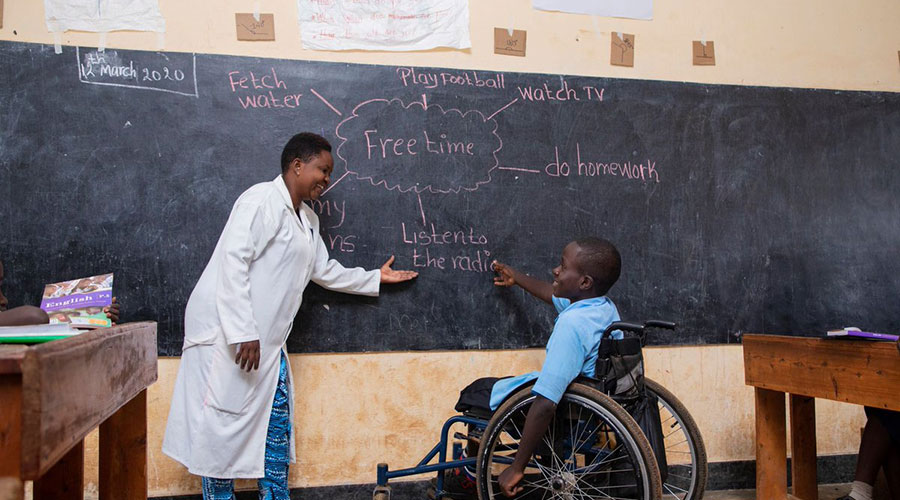
Specialized educational institutions for students with disabilities serve as powerful environments for developing empathy, understanding inclusivity, and learning about disability rights. These schools not only provide tailored education but also function as living laboratories where students, educators, and community members can engage with and understand the diverse experiences of people with disabilities. This exploration examines how these institutions promote empathy, implement inclusive practices, and advocate for the rights of individuals with disabilities.
Developing Empathy Through Direct Engagement
Schools for students with disabilities create unique opportunities for developing genuine empathy—the ability to understand and share the feelings of others. Unlike abstract lessons about disability, these environments provide authentic contexts for emotional growth and perspective-taking.
🤝 Peer Interaction Programs
Structured interaction programs between students with and without disabilities foster mutual understanding. These might include joint extracurricular activities, buddy systems, or collaborative projects that break down barriers and build authentic relationships.
👁️ Perspective-Taking Exercises
Educators use carefully designed activities that allow students to temporarily experience aspects of different disabilities, such as navigating spaces in wheelchairs, communicating without speech, or completing tasks with limited vision. These experiences build understanding of daily challenges.
📖 Personal Narrative Sharing
Students with disabilities share their experiences, challenges, and successes through storytelling sessions, creating emotional connections and helping others understand the human experience behind disability labels.
Example: "A Day in My Shoes" Program
At the Bridgewater Inclusive School, students without disabilities participate in a program where they partner with students who have different disabilities for various activities throughout the day. A student might spend a morning using a wheelchair to navigate the school, work with adaptive technology to complete assignments, or use alternative communication methods. These experiences are followed by guided reflection sessions where students process their feelings, challenges, and new understandings, leading to profound empathy development.
Understanding and Implementing Inclusivity
Inclusive education extends beyond physical accessibility to encompass teaching methods, social integration, and institutional culture. Schools for students with disabilities model how to create environments where everyone can participate fully and meaningfully.
Universal Design for Learning (UDL)
These institutions implement UDL principles that benefit all learners by providing multiple means of:
- Representation - Presenting information in various formats (visual, auditory, tactile)
- Action and Expression - Allowing diverse ways for students to demonstrate knowledge
- Engagement - Offering choices and varied approaches to stimulate interest
Types of Disabilities and Educational Approaches
Physical Disabilities
Schools provide accessible facilities, adaptive equipment, and physical therapy integration. Focus on developing independence and self-advocacy skills.
Learning Disabilities
Specialized instruction using multisensory approaches, assistive technology, and individualized learning plans targeting specific challenges.
Autism Spectrum
Structured environments, visual supports, social skills training, and communication systems tailored to individual needs and strengths.
Sensory Disabilities
For visual or hearing impairments: Braille instruction, sign language, auditory training, and orientation/mobility skills.
Example: The Inclusion Spectrum Model
At Maplewood Disability School, educators use the Inclusion Spectrum model to ensure all students can participate in activities. This approach identifies five participation strategies: (1) Open activities where all students participate together, (2) Modified activities with adaptations, (3) Parallel activities with different versions happening simultaneously, (4) Separate activities designed for specific needs, and (5) Disability sport activities. This framework ensures that inclusion is thoughtfully implemented rather than being a one-size-fits-all approach.
Social Integration Beyond the Classroom
True inclusion extends beyond academic settings to social and extracurricular activities. Schools for students with disabilities intentionally create opportunities for social connection through lunch buddy programs, inclusive sports teams, joint club activities, and school-wide events designed with universal participation in mind.
Understanding Disability Rights and Advocacy
These educational institutions serve as important platforms for teaching about disability rights, legal protections, and advocacy skills that empower students to navigate society confidently.
Key Disability Rights Legislation
| Legislation | Key Provisions | Educational Impact |
|---|---|---|
| Americans with Disabilities Act (ADA) | Prohibits discrimination, ensures accessibility in public spaces | Schools model ADA compliance; teach students about their rights to access public facilities |
| Individuals with Disabilities Education Act (IDEA) | Guarantees free appropriate public education; requires Individualized Education Programs (IEPs) | Students learn to participate in their own IEP meetings; understand their educational rights |
| UN Convention on Rights of Persons with Disabilities | International framework for disability rights, inclusion, and accessibility | Provides global context for disability rights; teaches about international advocacy |
| Rehabilitation Act Section 504 | Prohibits discrimination in federally funded programs | Students learn about accommodations in higher education and workplace settings |
Developing Self-Advocacy Skills
🗣️ Communication Training
Students learn to articulate their needs, preferences, and rights clearly and confidently in various contexts, from classroom accommodations to public accessibility issues.
📋 IEP Participation
Students are taught to actively participate in their Individualized Education Program meetings, learning to contribute to goal-setting and accommodation decisions.
⚖️ Rights Education
Explicit instruction about disability rights laws helps students recognize when their rights are being violated and know appropriate responses.
Challenges and Barriers in Disability Education
Understanding the full picture requires acknowledging the challenges faced by students with disabilities and the institutions that serve them.
Common Challenges
🏛️ Funding and Resources
Specialized equipment, trained staff, and facility modifications require significant funding that often falls short of needs, limiting program quality and accessibility.
🧠 Attitudinal Barriers
Persistent stereotypes, low expectations, and pity-based attitudes can limit opportunities and create social isolation despite physical inclusion.
🔗 Transition Challenges
Moving from school to higher education, employment, or independent living presents significant hurdles due to inadequate preparation and support systems.
Example: The Employment Gap
Despite educational advances, significant employment disparities persist for people with disabilities. According to recent data, the employment rate for people with disabilities is approximately half that of people without disabilities. Schools address this challenge through vocational training programs, work experience opportunities, partnerships with employers, and teaching self-advocacy skills needed in workplace settings.
Moving Beyond Token Inclusion
True inclusion requires moving beyond physical presence to meaningful participation. This involves:
- Ensuring students with disabilities have authentic roles in school leadership and decision-making
- Creating curriculum that represents disability experiences and contributions
- Developing friendship networks rather than helper-helpee relationships
- Addressing intersectional challenges for students with multiple marginalized identities
Conclusion: Building a More Inclusive Society
Schools for students with disabilities serve as microcosms of the inclusive society we aspire to create. Through their work, they demonstrate that disability is not a deficit but a dimension of human diversity. The lessons learned in these environments—about empathy, inclusion, rights, and advocacy—extend far beyond school walls to shape more compassionate and accessible communities.
Key principles for fostering inclusive mindsets include:
- Focusing on abilities rather than limitations
- Recognizing that accessibility benefits everyone
- Understanding that inclusion requires active effort and systemic change
- Valuing diverse perspectives and experiences
- Recognizing that disability rights are human rights
As educational institutions continue to evolve in their approaches to disability inclusion, they play a crucial role in preparing all students—with and without disabilities—for participation in a diverse world. By promoting empathy, teaching inclusivity, and advocating for rights, these schools create ripple effects that transform not only individual lives but society as a whole.

No comments
Post a Comment