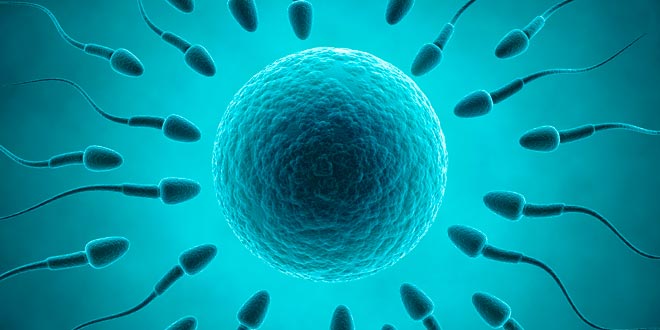
REPRODUCTION REVIEW QUESTIONS (with proposed answers)


Question one

Recently most women are using artificial methods to prevent pregnancies intentionally without considering the negative impacts of these methods. Assume you are the health officer of Mtakuja village prepare a report that explain in details about the negative impacts of these methods of family planning (four points).


Answers: 

To: The Village Elder and Esteemed Residents of Mtakuja Village

From: The Office of the Health Officer, Mtakuja Village

Date: May 2, 2025

Subject: Report on the Potential Negative Impacts of Artificial Family Planning Methods

Esteemed elders and residents, it has come to my attention that there is an increasing trend among women in our village to utilize artificial methods for preventing pregnancies. While family planning is a personal choice and can offer various benefits, it is crucial that we are all well-informed about the potential negative impacts associated with some of these methods. This report aims to outline some of these concerns to ensure that decisions are made with a full understanding of the possible health consequences.

It is important to note that not all artificial family planning methods carry the same risks, and individual experiences can vary greatly. However, based on available medical knowledge, I would like to highlight the following potential negative impacts:

  1. Hormonal Imbalances and Associated Side Effects: Many artificial family planning methods, such as hormonal pills, implants, and injections, work by introducing synthetic hormones into a woman's body. These hormones can disrupt the natural hormonal balance, leading to a range of side effects. Some commonly reported issues include:

    • Changes in menstrual patterns: This can manifest as irregular bleeding, spotting between periods, heavier or lighter periods, or even the absence of menstruation in some cases.

    • Mood swings and emotional disturbances: Hormonal fluctuations can affect a woman's emotional well-being, potentially leading to increased irritability, anxiety, or symptoms of depression.

    • Weight changes: Some women experience weight gain or loss associated with hormonal contraceptives, although the exact mechanisms are complex and vary among individuals.

    • Other physical symptoms: Headaches, nausea, breast tenderness, and acne are also reported side effects by some users of hormonal contraception.

  2. Potential for Cardiovascular Complications: Certain artificial family planning methods, particularly combined hormonal contraceptives (those containing both estrogen and progestin), have been linked to an increased risk of cardiovascular issues in some women. These risks are often higher in women who smoke, are over 35 years of age, have a history of blood clots, high blood pressure, high cholesterol, or certain other medical conditions. Potential complications can include:

    • Increased risk of blood clots (thrombosis): Hormonal contraceptives can increase the risk of developing blood clots in the legs, lungs, or other parts of the body, which can be life-threatening.

    • Slightly elevated risk of heart attack and stroke: While the absolute risk is generally low for healthy, non-smoking women, it is important to be aware of this potential association.

  3. Impact on Bone Health: Some long-acting injectable contraceptives have been associated with a potential decrease in bone mineral density. While this effect is often reversible after discontinuing the medication, long-term use, especially during adolescence and young adulthood when bone mass is being built, could potentially have implications for future bone health and the risk of osteoporosis later in life.

  4. Potential for Delayed Return to Fertility: While most artificial family planning methods do not permanently affect fertility, some women may experience a delay in the return of their regular menstrual cycles and fertility after discontinuing long-term hormonal contraception, particularly injectable methods. This can be a concern for women who plan to conceive in the future.

It is crucial to emphasize that the decision to use any form of family planning should be made after careful consideration and consultation with a healthcare provider. A healthcare professional can provide personalized advice based on an individual's health history, lifestyle, and reproductive goals, ensuring that the chosen method is appropriate and the potential risks and benefits are fully understood.

I urge all residents, especially our young women, to seek proper medical guidance before starting any artificial family planning method. Our health and well-being are paramount, and informed decisions are essential to ensure a healthy future for ourselves and our community.

Sincerely,

Jimson R

Health Officer, Mtakuja Village


Question two 

In early 2019 Mr. Juma got married to Asha who was a fresh graduate from University of Dar es Salaam by that time. But up to this moment, they don’t have a child or even a sign of getting a child, they have already visited different health centres in trying to identify what is the exactly problems. Using your knowledge of reproduction, identify three causes of this from Mr. Juma and three causes from Asha to help this couple. 

Answers: 

It's a challenging situation for Mr. Juma and Asha. Infertility can have various causes affecting either the male or female partner, or both. Based on my understanding of reproduction, here are three potential causes for infertility in Mr. Juma and three potential causes in Asha:

Possible Causes of Infertility in Mr. Juma:

  1. Low Sperm Count or Motility: This is a common cause of male infertility. Mr. Juma might have a lower than normal number of sperm produced (oligospermia), or the sperm produced might not be able to move effectively (asthenospermia) to reach and fertilize the egg. Factors contributing to this can include hormonal imbalances, genetic conditions, varicocele (swelling of veins in the scrotum), infections, exposure to certain medications or toxins, and lifestyle factors like smoking and excessive alcohol consumption.

  2. Sperm Morphology Issues: Even with a normal sperm count, the shape and size of the sperm (morphology) can affect their ability to fertilize an egg. A high percentage of abnormally shaped sperm (teratozoospermia) can hinder fertilization. This can be caused by genetic factors, exposure to heat or toxins, or unknown reasons.

  3. Blockage in the Reproductive Tract: There might be a blockage in the tubes that carry sperm from the testes to the urethra (e.g., epididymis, vas deferens). This could be due to a previous infection, injury, or congenital abnormality. A blockage would prevent sperm from being ejaculated, thus preventing fertilization.

Possible Causes of Infertility in Asha:

  1. Ovulatory Disorders: For Asha to conceive, she needs to release a mature egg regularly. Ovulatory disorders are a significant cause of female infertility. These can include:

    • Polycystic Ovary Syndrome (PCOS): A hormonal disorder that can cause irregular or absent ovulation.

    • Premature Ovarian Insufficiency (POI): Also known as early menopause, where the ovaries stop functioning before the age of 40.

    • Hypothalamic Dysfunction: Problems with the hypothalamus gland in the brain can disrupt the hormonal signals needed for ovulation.

    • Thyroid Issues: Both an overactive and underactive thyroid gland can interfere with ovulation.

  2. Fallopian Tube Blockage or Damage: The fallopian tubes are crucial for the egg to travel from the ovary to the uterus and for sperm to reach and fertilize the egg. Blockage or damage to the fallopian tubes can prevent conception. This can be caused by:

    • Pelvic Inflammatory Disease (PID): Often caused by untreated sexually transmitted infections.

    • Endometriosis: A condition where tissue similar to the uterine lining grows outside the uterus, potentially blocking the fallopian tubes.

    • Previous ectopic pregnancy: A pregnancy that occurred outside the uterus, often in the fallopian tube, can damage the tube.

    • Surgery: Previous abdominal or pelvic surgery can sometimes lead to adhesions (scar tissue) that block the fallopian tubes.

  3. Uterine Factors: Issues with the uterus itself can prevent implantation of a fertilized egg or lead to early pregnancy loss. These can include:

    • Uterine fibroids or polyps: Non-cancerous growths in the uterus that can distort the uterine cavity.

    • Uterine abnormalities: Congenital issues with the shape or structure of the uterus.

    • Asherman's Syndrome: Scar tissue inside the uterus, often caused by previous surgery or infection.

It's important for Mr. Juma and Asha to continue seeking medical advice and undergo thorough investigations, which may include semen analysis for Mr. Juma and ovulation tracking, hormone tests, imaging (like ultrasound or hysterosalpingography), and potentially laparoscopy for Asha. Identifying the specific cause(s) will allow healthcare professionals to recommend the most appropriate treatment options.


KILIMANJARO FORM TWO MOCK EXAMINATION


Geared up to ace those exams! Here's a breakdown of advice to help you pass, covering various aspects of preparation and execution:

1. Understand the Exam and the Material:

Know the Syllabus: This is your roadmap. Understand the topics covered, the weightage of each section (if provided), and the format of the exam (multiple choice, essays, problem-solving, etc.).

Clarify Expectations: If anything is unclear about the syllabus or exam format, don't hesitate to ask your teacher or lecturer for clarification.

Review Past Papers (if available): This gives you a feel for the types of questions asked, the difficulty level, and the time allocation. It also helps you identify frequently tested topics.

Understand the Marking Scheme: Knowing how marks are awarded can help you strategize your answers and focus on areas that carry more weight.


2. Effective Studying Strategies:

Plan Your Study Time: Create a realistic and consistent study schedule. Break down large topics into smaller, manageable chunks. Allocate specific times for each subject and stick to your plan as much as possible.

Find Your Ideal Study Environment: Choose a quiet place free from distractions where you can focus effectively. Ensure you have good lighting and all the necessary materials.

Active Learning is Key: Don't just passively read notes. Engage with the material by:

Summarizing information in your own words.

Creating mind maps or concept diagrams.

Teaching the material to someone else (or even an imaginary person).

Working through practice questions and problem

Regularly Review Your Notes: Space out your review sessions to reinforce learning and improve retention. Don't wait until the last minute to go through everything.

Use Different Learning Resources: Supplement your notes with textbooks, online resources, videos, and discussions with classmates (if helpful for you).

Take Effective Notes: During lectures or while reading, focus on capturing the main ideas, key concepts, and examples. Use abbreviations and symbols to save time, but ensure your notes are still understandable later.


KILIMANJARO FORM TWO EXAMINATION 

DARASA LA KWANZA


Kwa wanafunzi wa darasa la kwanza, Wizara ya Elimu kupitia TIE hupima uwezo wa kimsingi wa kielimu na stadi za maisha kulingana na mada zilizoko kwenye vitabu vya kiada. Katika somo la Kiswahili, wanafunzi wanahitaji kuonyesha uwezo wa kutambua na kusoma silabi rahisi (kama "ba", "ta", "ma"), kuchora na kuandika herufi, na kufahamu maagizo ya msingi. Hisabati inalenga uwezo wa kuhesabu namba hadi 50, kutambua maumbo ya kimsingi (mraba, duara), na kufanya shughuli rahisi za kujumlisha na kutoa kwa kutumia vitu halisi. Sayansi inahusisha utambuzi wa sehemu za mwili, aina za vyakula, na mazingira ya nyumbani.

Katika English, wanafunzi wanatakiwa kutambua na kusoma herufi za alfabeti, maneno rahisi (kama "cat", "dog"), na kufuata maagizo ya msingi. Maarifa ya Jamii yanahusisha utambuzi wa familia yao, majina ya wanafamilia, na kazi za watu katika jamii (kama mwalimu, daktari). Stadi za Maisha zinapima uwezo wa kushirikiana na wenzake, kudumisha usafi wa mwili (kama kunawa mikono), na kufuata taratibu za darasani. Teknolojia (ICT) inalenga utambuzi wa sehemu za msingi za kompyuta (kama kibodi na skrini) na matumizi ya vifaa vya teknolojia (kama calculator).

VITABU VINAVYOTUMIKA DARASA LA KWANZA:

  1. KUHESABU
  2. KUSOMA 
  3. KUANDIKA
  4. MICHEZO NA SANAA
  5. AFYA NA MAZINGIRA

Mbinu za tathmini zinazotumika ni pamoja na:

  1. Uchunguzi wa kila siku (kwa kazi za darasani na mazoezi)

  2. Mitihani ya mdomo (kwa kusoma na kuhesabu)

  3. Kazi za vitendo (kama kuchora na kutumia vifaa vya kimsingi)

Kupitia vitabu vya TIE kama vile Kiswahili kwa Darasa la 1, Mathematics for Primary 1, na Science and Technology 1, Wizara ya Elimu inahakikisha kuwa mwanafunzi wa darasa la kwanza anaweza kufikia malengo ya kimsingi kabla ya kuendelea na darasa la pili.

REGULATION REVIEW QUESTIONS (with possible answers)


Question one

State the actions which takes place in human being in response to each of the following conditions; 

  1. When the surrounding temperature is low. 

  2. When the body temperature rises due to increase in surrounding temperature. 


Answers:

Here are the actions that take place in the human body in response to the given conditions:

a. When the surrounding temperature is low:

When the surrounding temperature drops, the human body initiates several physiological responses to conserve heat and maintain its core temperature:

  • Vasoconstriction: Blood vessels near the surface of the skin constrict. This reduces blood flow to the extremities and the skin, minimizing heat loss through radiation and convection. The skin may appear pale as blood is diverted towards the warmer core of the body.

  • Shivering: Involuntary muscle contractions, known as shivering, generate heat. This rapid and repetitive muscle activity produces metabolic heat, which helps to raise the body's internal temperature.

  • Increased Metabolic Rate: The body's metabolism may increase slightly to produce more heat internally. This process can be triggered by hormonal changes.

  • Piloerection (Goosebumps): Small muscles at the base of hair follicles contract, causing the hairs to stand on end. While this is more effective in animals with thick fur to trap a layer of insulating air, in humans, it has a minimal effect on heat retention but is a physiological response to cold.

  • Behavioral Responses: Conscious actions like putting on warmer clothes, seeking shelter, huddling, and engaging in physical activity (which generates heat) are also crucial responses to a cold environment.

b. When the body temperature rises due to an increase in surrounding temperature:

When the surrounding temperature increases and threatens to raise the body's core temperature above its optimal level, the body activates mechanisms to dissipate heat:

  • Vasodilation: Blood vessels near the surface of the skin dilate, increasing blood flow to the extremities and the skin. This allows more heat from the core to be carried to the surface where it can be lost to the environment through radiation, convection, and conduction. The skin may appear flushed or red.

  • Sweating: Sweat glands are stimulated to produce sweat. As sweat evaporates from the surface of the skin, it absorbs heat from the body, providing a significant cooling effect.

  • Decreased Metabolic Rate: The body's metabolic rate may slightly decrease to reduce internal heat production.

  • Decreased Muscle Activity: The body tends to become less active to reduce the heat generated by muscle contractions.

  • Behavioral Responses: Conscious actions like removing layers of clothing, seeking shade, drinking cool fluids, and reducing physical activity are important ways to help the body cool down in a hot environment.


Question two

Explain any three (3) advantages of an organism being homoethermic


Answers: 

Being homoethermic, also known as endothermic or warm-blooded, offers several significant advantages to an organism:

  1. Independence from Environmental Temperatures: Homoethermic organisms can maintain a stable internal body temperature regardless of fluctuations in the surrounding environmental temperature. This physiological independence allows them to thrive in a wider range of habitats and climates, from freezing polar regions to scorching deserts. They are not limited by external temperature constraints that ectothermic (cold-blooded) animals face, which can restrict their activity levels and geographical distribution. This adaptability enhances their survival prospects in diverse and changing environments.

  2. Sustained High Levels of Activity: Maintaining a constant and often high internal body temperature allows for optimal enzyme activity and metabolic rates. This enables homoethermic organisms to sustain high levels of physical activity for extended periods, whether it's for hunting prey, escaping predators, migrating long distances, or engaging in complex social behaviors. Unlike ectotherms whose activity levels are directly linked to external warmth, endotherms can remain active even when the environment is cold, giving them a significant advantage in terms of foraging, defense, and reproduction.

  3. Enhanced Physiological Efficiency: The stable internal environment provided by homoethermy allows for more efficient physiological processes. Enzymes, which catalyze biochemical reactions within the body, function optimally within a narrow temperature range. By maintaining this optimal temperature, homoethermic organisms can ensure that their digestion, respiration, nervous system function, and other vital processes operate at peak efficiency. This leads to faster growth rates, quicker responses to stimuli, and overall improved physiological performance compared to organisms whose internal temperature fluctuates with the environment.

COORDINATION REVIEW QUESTIONS (with possible answers)


Questions one

(a) Give the hormone responsible for each of the following biological processes. 

  1. Development of male sexual characteristics. 

  2. Development of female sexual characteristics 

  3. Prepares the body for fight or flight response 

  4. Raised blood sugar level 

  5. Initiate labour pain 

Answers

Here are the hormones responsible for each of the following biological processes:

  • Development of male sexual characteristics: Testosterone

  • Development of female sexual characteristics: Estrogen

  • Prepares the body for fight or flight response: Adrenaline (also known as Epinephrine)

  • Raised blood sugar level: Glucagon, Cortisol, and Adrenaline

  • Initiate labour pain: Oxytocin and Prostaglandins


(b) Nervous coordination differs from hormonal coordination. Explain in four (4) points

Answers: 

Nervous and hormonal coordination are both crucial for regulating bodily functions, but they differ in several key aspects:

  1. Speed of Action: Nervous coordination involves the transmission of rapid electrical impulses along nerve fibers, resulting in a swift response. In contrast, hormonal coordination relies on the release of chemical messengers (hormones) into the bloodstream, which then travel to target cells, leading to a slower and more gradual response.

  2. Duration of Effect: The effects of nervous coordination are typically short-lived, as the nerve impulses cease quickly once the stimulus is removed. Hormonal coordination, however, often produces longer-lasting effects because hormones can remain in the bloodstream and continue to influence target cells for an extended period.

  3. Specificity of Action: Nervous coordination tends to have localized and specific effects, targeting particular muscles or glands through direct nerve connections. Hormones, on the other hand, can have widespread effects throughout the body as they circulate in the bloodstream and can influence various target cells that possess the appropriate receptors.

  4. Mode of Transmission: Nervous coordination uses electrical and chemical signals (neurotransmitters) transmitted across synapses between nerve cells. Hormonal coordination relies solely on chemical signals (hormones) that are secreted by endocrine glands into the bloodstream and transported to their target sites.


Question two

Many people especially the youth engage in bad habits of using drugs such as cocaine, heroin, and marijuana. What do you think are causes of the youth to engage in drug abuse? Suggest the ways in which we can stop youth from this habit 


Answers:

It's a serious concern that many young people are engaging in drug abuse. Several interconnected factors can contribute to this:

Causes of Youth Drug Abuse:

  1. Peer Pressure: The desire to fit in and be accepted by friends or social groups can strongly influence young people to experiment with drugs. They may fear social exclusion if they don't participate.

  2. Curiosity and Experimentation: Adolescence is a time of exploration and risk-taking. Youth may try drugs out of curiosity to experience new sensations or to feel grown up.

  3. Stress and Mental Health Issues: Some young people turn to drugs as a way to cope with stress, anxiety, depression, or other mental health challenges. They may seek temporary relief from difficult emotions.

  4. Family Factors: A family history of substance abuse, poor parental monitoring, lack of a strong parent-child bond, family conflict, or parental approval of drug use can increase a young person's risk.

  5. Media and Cultural Influences: Movies, music, social media, and other forms of media can sometimes glamorize or normalize drug use, influencing young people's perceptions.

  6. Low Self-Esteem and Social Rejection: Feelings of inadequacy or social isolation can make some youth more vulnerable to drug use as a way to boost confidence or feel a sense of belonging.

  7. Availability and Accessibility: Easy access to drugs within their social circles or communities can make it more likely for young people to experiment and continue using them.

  8. Lack of Awareness of Risks: Some youth may not fully understand the potential short-term and long-term negative consequences of drug abuse on their health, education, and future.

Ways to Stop Youth from Drug Abuse:

  1. Strengthen Family Bonds and Communication: Open and honest communication between parents and children, coupled with a supportive and nurturing family environment, can act as a strong protective factor. Parents should actively listen to their children, understand their challenges, and offer guidance.

  2. Educate and Raise Awareness: Comprehensive drug education programs in schools and communities are crucial. These programs should provide accurate information about the risks and consequences of drug use, without resorting to scare tactics, and promote healthy decision-making skills.

  3. Promote Healthy Coping Mechanisms: Equip young people with skills to manage stress, anxiety, and other emotional challenges in healthy ways, such as exercise, mindfulness, creative expression, and problem-solving techniques.

  4. Foster Positive Peer Influence: Encourage youth to engage in positive social activities and build friendships with peers who do not use drugs. Mentoring programs and youth groups can provide supportive and drug-free environments.

  5. Increase Parental Monitoring and Involvement: Parents should be aware of their children's activities, friends, and whereabouts. Setting clear rules and consistently enforcing them can help prevent drug use.

  6. Address Underlying Mental Health Issues: Provide access to mental health services and support for young people struggling with depression, anxiety, or other mental health conditions, as these can be significant risk factors for substance abuse.

  7. Limit Access and Availability: Community-level efforts to reduce the availability of drugs and enforce laws related to drug use can help limit young people's access.

  8. Media Literacy and Critical Thinking: Teach young people to critically analyze media messages and understand how drug use might be portrayed in a misleading or glamorized way.

  9. Early Intervention and Treatment: If a young person starts experimenting with drugs, early intervention and access to appropriate treatment and counseling services are essential to prevent escalation into addiction.

  10. Community Involvement: Collaborative efforts involving schools, families, community organizations, religious institutions, and law enforcement agencies are vital to create a supportive and drug-free environment for young people.

DARASA LA PILI


 Kwa wanafunzi wa darasa la pili, Wizara ya Elimu kupitia TIE hupima uwezo wa msingi wa kielimu na stadi za maisha kulingana na mada zilizoko kwenye vitabu vya kiada. Katika somo la Kiswahili, wanafunzi wanahitaji kuonyesha uwezo wa kusoma silabi na maneno rahisi, kufahamu maagizo ya msingi, na kutumia sarufi ya awali kama vile aina za maneno na sentensi fupi. Hisabati inalenga uwezo wa kufanya shughuli za kimsingi za namba hadi 100, kutumia mfumo wa mraba wa namba, na kuelewa dhana za kipimo kama vile urefu, uzito na uwezo kwa kiwango cha kuanzia. Sayansi inahusisha utambuzi wa viumbe hai na visivyo hai, mazingira ya nyumbani, na misingi ya usafi wa mwili.

  1. KUSOMA
  2. KUHESABU
  3. MICHEZO NA SANAA
  4. KUANDIKA
  5. AFYA NA MAZINGIRA

Katika somo la English, wanafunzi wanatakiwa kuwa na uwezo wa kutambua na kusoma herufi na maneno rahisi, kufuata maagizo ya msingi, na kuandika maneno kwa usahihi. Maarifa ya Jamii yanahusisha uelewa wa familia na jamii zao, aina za kazi za watu katika jamii, na utambuzi wa mazingira yao ya karibu. Stadi za Maisha zinapima uwezo wa wanafunzi kushirikiana na wenzake, kudumisha usafi wa mwili na mazingira, na kujiepusha na hatari za kawaida. Teknolojia ya Habari (ICT) inalenga utambuzi wa sehemu za msingi za kompyuta na matumizi ya vifaa vya teknolojia kwa kiwango cha kuanzia.

Mbinu za tathmini zinazotumika ni pamoja na mitihani ya maandishi, kazi za darasani, na uchunguzi wa vitendo ili kuhakikisha kuwa wanafunzi wameweza kufikia malengo ya kimsingi ya kielimu. Kupitia vitabu vya TIE kama vile Kiswahili kwa Darasa la 2, Mathematics for Primary 2, na Science and Technology 2, Wizara ya Elimu inahakikisha kuwa mwanafunzi wa darasa la pili anaweza kukidhi viwango vya msingi vya elimu kabla ya kuendelea na darasa la juu zaidi.

© all rights reserved
made with by templateszoo